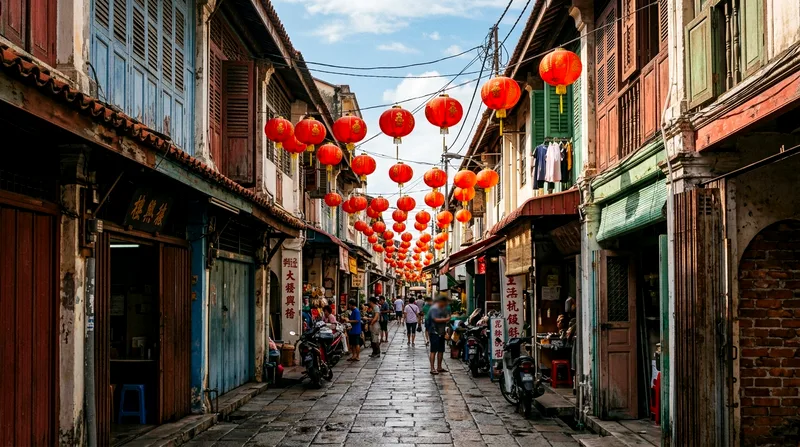
Singapore Chinatown Food Tour: What You Taste and How to Book
Explore Singapore's Chinatown food tours: guided walks, street eats, and dim sum tastings. Compare tour types, what's included, and how to book.
9 min read · 15 Oct 2026
Tours & activities
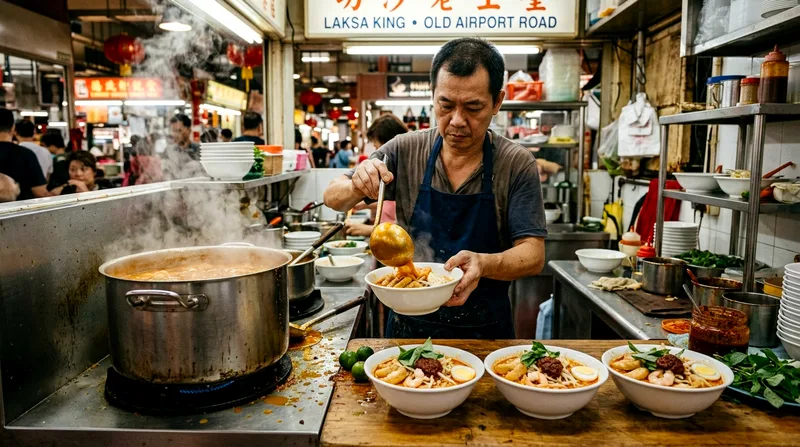
Compare the best Singapore food tours by cuisine, group size, and price. A practical guide to booking hawker tours and guided culinary experiences.
Singapore's food scene rewards curiosity more than almost any other city in Southeast Asia, and guided food tours are the fastest way to get past the surface. A good tour doesn't just feed you — it explains why fishball noodles taste different in Chinatown than in Tiong Bahru Market, or why a Peranakan kueh recipe might trace back three generations. For visitors unfamiliar with the hawker system, a guide removes the guesswork: which stall has the queue because it's good, and which has the queue because it's slow.
That said, food tours aren't for everyone. If you're the type who'd rather wander into Maxwell Food Centre alone, order by pointing, and strike up a conversation with the auntie behind the counter, you probably don't need a guide — you need an appetite and thirty minutes of patience. Families with young children should also think about pacing; most tours involve 2 to 3 hours of walking between stalls, and toddlers rarely share that enthusiasm for fish head curry.
If this is your first trip, a food tour solves a real problem: Singapore's hawker centres can be overwhelming, with dozens of stalls, inconsistent English signage, and queue etiquette that isn't obvious. A guide walking you through Chinatown Complex or Lau Pa Sat will usually explain the tray-return system, how hawker centre seating works, and which dishes are safe bets for first-timers versus acquired tastes (century egg congee, for instance). You'll also get historical context — why hawker culture earned UNESCO recognition, and how government-run centres differ from older, informal markets. Expect most first-timer tours to run 3 to 4 hours and cover four to six stops.
If you've already done a hawker centre or two and want depth rather than orientation, look for tours led by guides with actual culinary backgrounds — former chefs, food writers, or Singapore Tourism Board-accredited guides who specialize in a single cuisine. These tours skip the obvious stops and head into Geylang Serai for Malay kueh, or Little India for banana leaf meals and roti prata made fresh at a mamak stall. The best guides in this category talk technique: why certain laksa broths use candlenut instead of coconut cream alone, or how Peranakan cooking blends Chinese ingredients with Malay spice pastes. You're paying for expertise here, not just access.
Singapore food tours generally fall into three categories, and picking the right one matters more than picking a specific operator. Hawker-focused tours are the most common and the most affordable; cuisine-specific tours go deeper into one culture's food traditions; private tours offer flexibility at a higher cost. None is objectively "best" — it depends on how much context you want versus how much ground you want to cover.
Hawker tours offer the broadest introduction at the lowest cost, while private and cuisine-specific tours trade breadth for depth and flexibility.
Singapore food tour categories compared by group size, focus, and cost
| Tour Type | Typical Group Size | Cuisine Focus | Duration | Typical Price Range (SGD, per person) |
|---|---|---|---|---|
| Hawker centre tour | 6-15 people | Mixed, multi-ethnic | 3-4 hours | 60-100 |
| Chinatown street food tour | 6-12 people | Chinese, Peranakan | 2.5-3.5 hours | 60-90 |
| Little India food tour | 6-12 people | South/North Indian | 2.5-3 hours | 55-85 |
| Geylang Serai Malay food tour | 6-10 people | Malay | 2.5-3 hours | 60-90 |
| Peranakan cuisine experience | 4-8 people | Peranakan/Nyonya | 2.5-3.5 hours | 70-110 |
| Private custom food tour | 1-6 people | Flexible/any | 2.5-4 hours | 120-250 |
Prices are typical published ranges and vary by operator, inclusions, and season — check current prices and reviews before booking.
These are the bread-and-butter Singapore food tour — usually 3 to 4 hours, hitting four to seven stalls across one or two hawker centres such as Maxwell Food Centre, Lau Pa Sat, or East Coast Lagoon Food Village. Expect a mix of noodle dishes, satay, and a dessert stop (chendol or ice kachang). Group sizes run from 6 to 15 people. The upside: broad coverage and a relatively low price point, often in the range of SGD 60 to 100 per person. The downside: with larger groups, you're often herded, and conversation with the guide is limited. Avoid tours that cram in more than seven stops — that's usually a sign of quantity over quality, and you'll leave too full to actually taste anything.
These tours trade breadth for depth, focusing on one cultural cuisine and one neighborhood — Chinatown for Chinese and Peranakan food, Geylang Serai for Malay, Little India for South Indian and North Indian fare. Peranakan-focused tours sometimes pair a tasting with a stop at the Peranakan Museum, which adds useful context on Nyonya cooking traditions and the Straits Chinese community's history. These tours tend to run longer per stop and shorter overall in stop-count — maybe four to five tastings over 2.5 to 3 hours. They suit returning visitors or anyone with a specific interest, but they're a poor fit if you want to "see everything" in one outing.
Private tours cost more — often 1.5 to 3 times the per-person rate of a group tour — but you control the pace, skip dishes you won't eat, and ask the guide to go deeper on topics that interest you. They work well for couples, small families, or anyone with dietary restrictions that need real flexibility rather than a pre-set substitution. Group tours, by contrast, are cheaper and often more social — useful for solo travelers who want company. The trade-off is pace: you move when the group moves, and if someone's slow eating or photographing everything, the whole tour waits.
Not all food tours are created equal, and the listing page rarely tells you the full story. Read the itinerary closely — does it name specific hawker centres and dishes, or is it vague ("local street food")? Vague itineraries are a warning sign; they often mean the operator changes stops based on what's convenient that day, not what's best.
Group size directly affects how much attention you get and how fast you move. A 15-person group moving through Chinatown will bunch up at narrow hawker stalls and lose time waiting for everyone to be served. Anything under 10 people tends to move more smoothly. Ask about pace too — some tours are walking-heavy with short tasting stops, others sit down properly at two or three stalls. If you have mobility concerns or are traveling with seniors, ask specifically about walking distance and whether there's seating throughout, since Singapore's humidity makes extended standing uncomfortable for many.
Check exactly what's included before comparing prices — some tours include all tastings, others charge extra for certain premium dishes like chili crab. Halal, vegetarian, and non-seafood options are generally available if you flag them at booking, since Singapore's food culture already accommodates Muslim and vegetarian diners widely — Little India and Geylang Serai in particular have strong vegetarian and halal infrastructure. Severe allergies are trickier; hawker stalls often can't guarantee cross-contamination control the way a restaurant kitchen can, so if you have a serious nut or shellfish allergy, a private tour with a guide who can vet dishes in advance is the safer call.
Timing matters more for food tours than people expect, partly because of weather and partly because hawker stalls have their own rhythms — some sell out of popular dishes by early afternoon, others only open for dinner.
Singapore's climate is hot and humid year-round, so "best season" is less about temperature and more about rain. The Northeast Monsoon (roughly December to March) brings less frequent rain than the wetter months around November, making outdoor walking tours slightly more comfortable. Evening tours — common for East Coast Lagoon Food Village or Lau Pa Sat's famous satay street — dodge the worst of the daytime heat and humidity regardless of season. If you're also planning a Gardens by the Bay or Sentosa visit on the same trip, scheduling your food tour for an evening slot frees up your day for sightseeing.
Popular hawker and Chinatown tours can sell out 1 to 2 weeks ahead during peak travel periods, particularly around Chinese New Year and school holidays, so booking at least a week in advance is sensible if your dates are fixed. Private and custom tours often have more last-minute flexibility since they're built around your schedule rather than a fixed departure time, but you'll pay the premium regardless of lead time. If you're flexible on dates, smaller group or niche cuisine-specific tours sometimes have same-week availability — always compare current prices and reviews directly on the booking page rather than assuming off-season rates apply.
Read the fine print before you pay, especially around what counts as "included." Most reputable Singapore food tours include all food tastings, a guide, and sometimes a bottled water or one drink per stop — but transport between stops is rarely included unless it's a multi-neighborhood tour, so budget for your own MRT fare or taxi between, say, Chinatown and Little India if the tour spans both.
Cancellation policies vary widely. Many operators offer full refunds if you cancel 24 to 48 hours ahead, but same-day cancellations are often non-refundable because hawker stall orders and guide bookings are arranged in advance. Weather cancellations are a gray area — tropical downpours in Singapore are frequent but usually brief, so most operators don't cancel for rain unless it's severe; they'll just move you under cover between stalls. One thing I'd avoid: booking a tour that doesn't clearly state its cancellation window anywhere on the listing. That omission alone tells you something about how the operator handles disputes. Always compare current prices and cancellation terms before you book, since policies differ even between similar-looking group tours.
Most tours include a guide, 4 to 7 food tastings across one or more hawker centres or neighborhoods, and occasionally a drink per stop. Transport between distant stops (e.g., Chinatown to Little India) is usually excluded, so factor in MRT fare or a short taxi ride separately.
Group hawker tours typically run SGD 60 to 100 per person for 3 to 4 hours. Cuisine-specific tours fall in a similar range. Private tours cost more, often SGD 120 to 250 per person depending on group size and customization — always confirm current pricing on the booking page.
Yes, for common restrictions like vegetarian, halal, or no-seafood — Singapore's food culture already supports these widely, especially in Little India and Geylang Serai. Severe allergies are harder to guarantee at hawker stalls; a private tour gives you more control if you have a serious allergy.
Book at least one to two weeks ahead for popular hawker and Chinatown tours, especially around Chinese New Year or school holidays. Evening tours suit the climate better, avoiding peak daytime heat. Private tours tend to have more last-minute availability.
Group tours offer better value per dollar for first-timers wanting broad coverage at a lower price. Private tours cost more but suit couples, families with dietary needs, or anyone wanting a slower pace and personalized route through places like Tiong Bahru Market or Geylang Serai.
Explore Singapore's Chinatown food tours: guided walks, street eats, and dim sum tastings. Compare tour types, what's included, and how to book.
9 min read · 15 Oct 2026
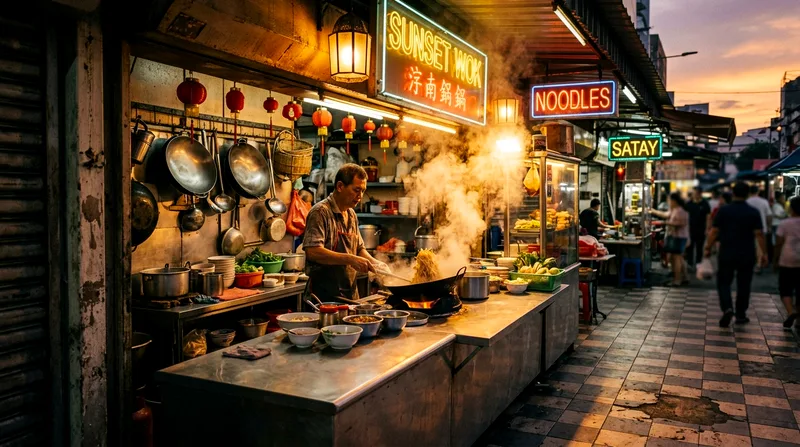
Discover Singapore's best night food tours. Explore after-dark hawker stalls, satay, and street food with expert guides. Compare tour types before booking.
9 min read · 15 Oct 2026
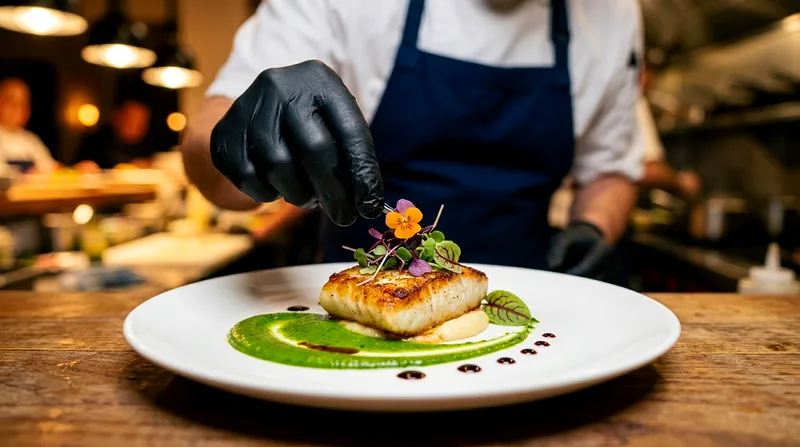
Discover Singapore's Michelin-starred hawkers and restaurants on guided food tours. Compare tour types, what to book, and when to reserve.
8 min read · 15 Oct 2026
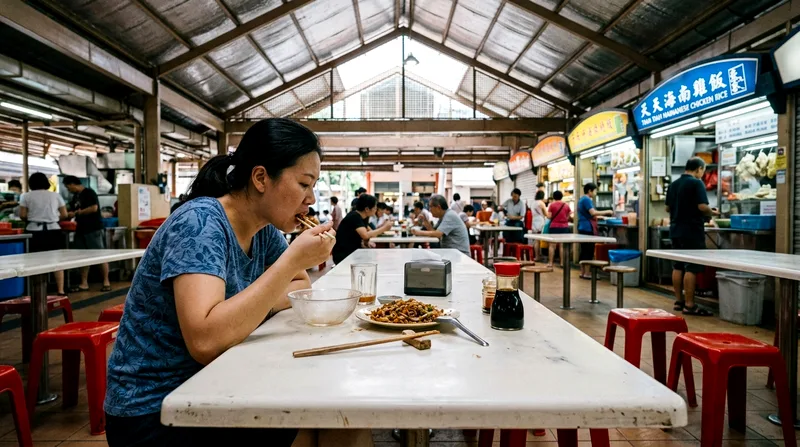
Comparing a Singapore food tour vs self guided hawker crawl? Weigh cost, variety, insider access, and effort to pick the right approach for you.
8 min read · 15 Oct 2026
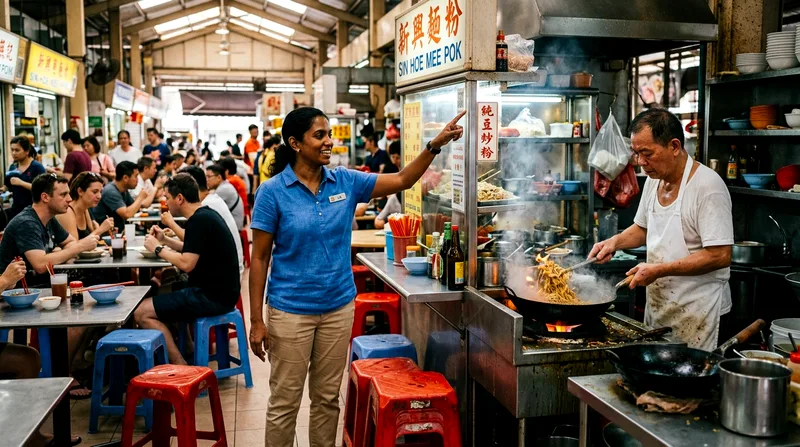
Compare guided hawker centre food tours across Chinatown, Maxwell & Old Airport Road. Book tastings, prices & inclusions for your Singapore food tour.
9 min read · 15 Oct 2026
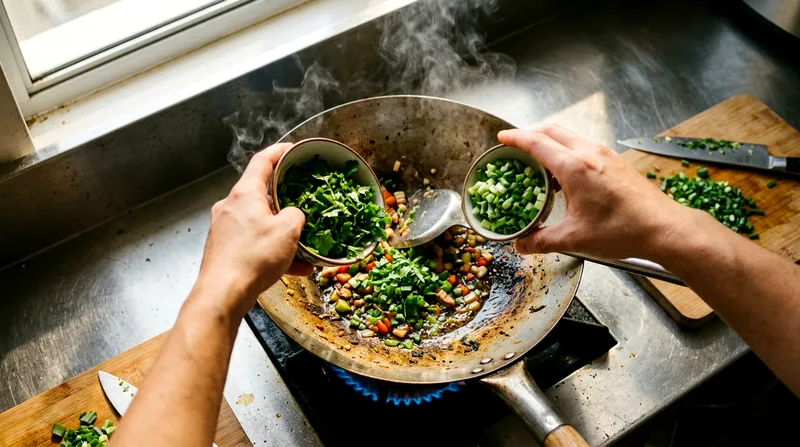
Book hands-on cooking classes in Singapore by cuisine type. Compare Peranakan, Malay, and Chinese workshops for couples, families, and solo travelers.
8 min read · 15 Oct 2026