Explore Singapore's Chinatown food tours: guided walks, street eats, and dim sum tastings. Compare tour types, what's included, and how to book.
Who Each Tour Type Suits
A Singapore Chinatown food tour is not one product — it's a category covering everything from a two-hour street-food crawl with eight strangers to a private dim sum masterclass for two. Before you compare listings, decide what you actually want out of the morning or evening: calories and photos, or context and history. The two aren't mutually exclusive, but tours lean one way or the other, and that shapes who should book which type.
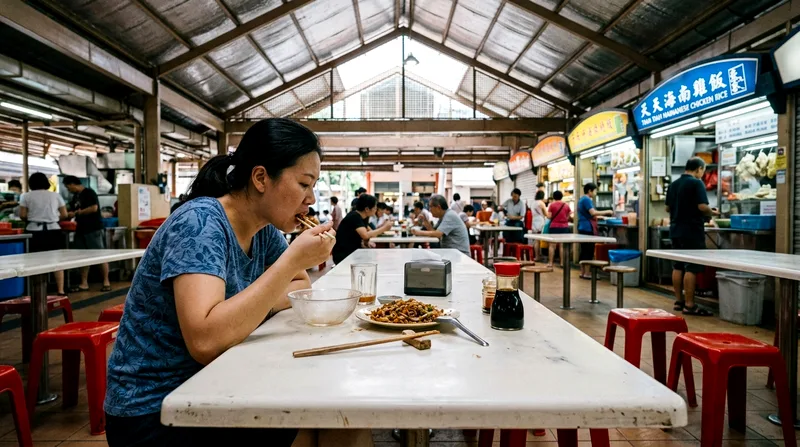
If you've never eaten at a hawker centre and don't know your bak kut teh from your bak chor mee, a guided walk solves the real problem of choice paralysis. Chinatown Complex alone has over 200 cooked food stalls; without local knowledge, you'll either queue at the wrong one or miss the good one three doors down. A guide who eats there weekly is worth the ticket price for that reason alone.
If you already know Singaporean food — maybe you've been to Penang or Kuala Lumpur and eaten your way through their hawker scenes — a generic "best of Chinatown" walk might feel thin. You'd do better booking something narrower: a dim sum and tea-ceremony session, or a private tour built around dietary needs or specific dish categories. The broad tours are built for breadth, not depth.
First-time visitors and food explorers
For a first Singapore trip, a 2.5 to 3-hour street food walk through Chinatown gives you an efficient introduction: chilli crab-adjacent dishes, Hainanese chicken rice, char kway teow, maybe a stop for chendol or tau huay dessert. You'll likely cover Smith Street, Pagoda Street, and a hawker centre, with a guide translating menus and explaining why certain stalls have queues at 11am on a Tuesday. This format suits people who want to eat eight small things rather than one big meal, and who'd rather not research stall reputations themselves. Compare this to a Bangkok street food tour in Chinatown Yaowarat — similar structure, different cuisine — if you're weighing destinations rather than just Singapore itself.
Budget-conscious and premium seekers
Budget travelers should look at larger group walks (10-16 people), which keep per-person costs down because the guide's fee and any venue bookings are split more ways. You'll eat well but on a tighter schedule, with less flexibility to linger. Premium seekers — couples celebrating something, or anyone who dislikes crowds — should book smaller group or private tours, usually capped at 2-6 people, often with a dedicated dim sum and tea segment at a sit-down restaurant rather than only hawker stalls. The price difference is real; a private tour can run two to three times the per-head cost of a group walk, but you get more food, more explanation, and no waiting for stragglers.
Main Chinatown Food Tour Categories
Nearly every Chinatown food tour in Singapore falls into one of three buckets: street food and hawker-focused walks, dim sum and tea experiences, and the private-versus-group split that cuts across both. Knowing which bucket a listing belongs to — most descriptions make it obvious once you know what to look for — saves you from booking something that doesn't match what you pictured.
Street food walks are the cheapest and longest on foot, while dim sum experiences are shorter, seated, and better for limited mobility.
Singapore Chinatown food tour categories compared by duration, group size, and cost
| Tour Type | Typical Duration | Group Size | Walking Level | Best For |
|---|---|---|---|---|
| Street food/hawker walk | 2.5-4 hours | 8-16 people | High | First-timers, food explorers |
| Small-group hawker walk | 2.5-3.5 hours | 4-8 people | High | Couples, photographers |
| Dim sum & tea experience | 1.5-2 hours | 2-10 people | Low (seated) | Families, seniors, dietary needs |
| Private custom tour | 2-4 hours | 1-6 people | Flexible | Premium seekers, special diets |
Durations and group sizes are typical ranges; always check the current listing for exact details before booking.
Street food and hawker walks
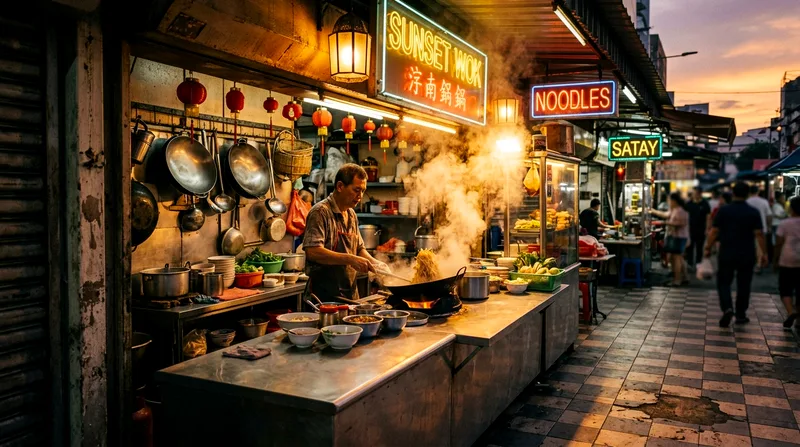
This is the most common and most heavily booked category. Expect 2.5 to 4 hours on foot, covering four to seven tasting stops across Chinatown's core streets — Pagoda Street, Smith Street (nicknamed "Food Street" for its evening stalls), Temple Street, and often a short walk down Eu Tong Sen Street toward the Chinatown Complex Food Centre. Dishes typically include chicken rice, char kway teow, popiah, and a dessert stop for chendol or ice kachang. Portions are tasting-sized, not full meals, so you won't leave starving but you also won't need dinner afterward. The downside: on a hot afternoon, standing and walking for three-plus hours in humidity above 80% is genuinely tiring, and groups sometimes bunch up at narrow stall counters, which slows the pace.
Dim sum and tea experiences
These run shorter — often 1.5 to 2 hours — and are seated rather than walking, usually at a traditional restaurant near Chinatown's edge. Expect a curated dim sum spread (char siu bao, har gow, siu mai, egg tarts) paired with a short tea tasting or tea-brewing demonstration explaining oolong versus pu-erh versus jasmine. This category suits people with mobility concerns, parents with young kids who won't survive a standing crawl, and anyone who wants one unhurried meal rather than grazing. It's weaker on neighbourhood history, since you're mostly indoors — if cultural context matters to you, pair it with a visit to Thian Hock Keng Temple or the Chinese Heritage Centre on your own afterward.
Private versus group tours
Group tours are cheaper per head and sociable — good for solo travelers who want built-in conversation. Private tours cost more but flex around dietary restrictions, pace, and interests; a guide can skip a seafood stall for a shellfish allergy or add an extra dessert stop if your group's still hungry. Families with young children often do better with private bookings, since guides can shorten the walking distance or adjust timing around nap schedules. If you've compared private tours in Hong Kong's Sham Shui Po or Ho Chi Minh City's District 5 Chinatown equivalent, Singapore's private options follow the same logic: higher cost, more control.
Tour Inclusions and Group Sizes
What counts as "included" varies more than you'd expect, and it's the single biggest source of post-booking disappointment. Read the inclusions list twice before you commit.
What's typically covered
Most listings include all food and drink tastings at each stop, a guide's commentary, and sometimes a bottle of water. Few include alcohol, a full sit-down meal, or transport to and from your hotel — you're usually expected to meet at a fixed point, often outside Chinatown MRT station (Exit A) or near the Pagoda Street entrance. Some premium or private tours bundle in a small gift, like a tea sample or a printed recipe card, but treat that as a bonus, not an expectation. Always check whether the tasting portions are described as "samples" (a few bites) or "full dishes" (a proper plate) — this affects whether you'll need lunch afterward.
Group size and pace considerations
Larger groups (12+) move slower through narrow hawker aisles and queue longer at each stall, since the vendor has to serve more portions at once. If you're claustrophobic or dislike crowds, pay the premium for a group capped at eight or fewer. Pace also depends on whether the guide walks the group as one unit or lets people drift and regroup — ask this directly if it's not stated, since it changes how rushed the experience feels, especially for seniors or anyone with young kids in tow.
Booking Tips and Best Timing
Timing a Chinatown food tour matters almost as much as choosing the category. Singapore's heat peaks between noon and 3pm, and many hawker stalls either sell out of popular dishes by early afternoon or close for a break before reopening for dinner. Morning tours (starting 9:30-10:30am) tend to hit stalls at their freshest; evening tours (starting around 5:30-6:30pm) catch Smith Street's night-market atmosphere but can mean longer queues since locals are eating too.
Cancellation policies and flexibility
Check the cancellation window before paying — most reputable listings offer free cancellation up to 24 hours before start time, but some tighter private bookings require 48 to 72 hours' notice since the operator has to coordinate restaurant seating or pre-order dim sum in advance. If you're traveling during a tropical downpour-prone month (November through January sees the most rain), favor a tour with a clear weather policy or indoor dim sum component as backup.
Peak seasons and advance booking
December, Chinese New Year (typically late January to mid-February), and the June-July school holidays are the busiest windows — book at least a week ahead, two weeks for private tours during Chinese New Year since many stalls close for family holidays and availability shrinks. Outside peak season, booking two to three days ahead is usually enough. Whatever the season, compare current prices and reviews before you book — availability and exact costs shift, and a recent review will tell you more about current stall quality than any fixed description.
What to Expect on the Walk
Physically, expect 1.5 to 3 kilometers of walking at a slow, stop-start pace — nothing strenuous, but humid enough that you'll want breathable clothing and closed shoes rather than sandals, since hawker centre floors can be wet or greasy near cooking stations. Bring cash in small denominations; some stalls still don't take cards, and tour guides won't always carry change for larger notes.
Key stops and signature dishes
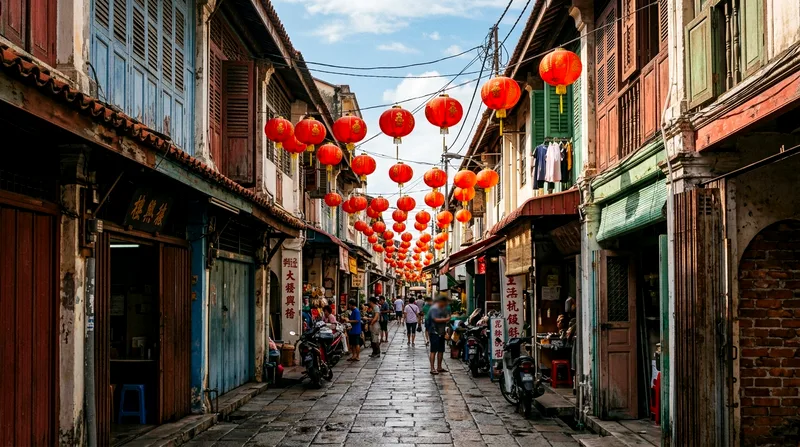
Expect Pagoda Street for shophouse photo stops and souvenir browsing, Smith Street for its concentrated food stall row, and a hawker centre — often Chinatown Complex Food Centre on Smith Street — for the main tasting block. Signature dishes to watch for: Hainanese chicken rice, char kway teow fried in dark soy, popiah (fresh spring rolls), carrot cake (chai tow kway, which has no actual carrot), and a dessert like chendol or soya milk with grass jelly. A good guide explains why each dish migrated from southern China and adapted locally — that context is what separates a tour from just eating at the same stalls alone.
Neighbourhood history and cultural context
The better tours fold in a stop at Thian Hock Keng Temple, Singapore's oldest Hokkien temple, built in the 1840s without a single nail, and sometimes a mention of the Chinese Heritage Centre nearby for those who want deeper reading afterward. This is where the food-only tours fall short — if cultural history interests you more than eating, ask specifically whether the itinerary includes a temple stop, since some operators skip it entirely to maximize tasting time. Photography-wise, early morning and just after sunset (around 7pm, when the street lanterns switch on along Pagoda and Temple Street) give you the most usable light without the harsh midday glare.
Frequently asked questions
How long does a typical Chinatown food tour take?
Most street food and hawker walks run 2.5 to 4 hours, covering four to seven tasting stops on foot. Dim sum and tea experiences are shorter and seated, typically 1.5 to 2 hours. Private tours can run longer if you add stops or slow the pace, so confirm the exact duration at booking rather than assuming.
Are Chinatown food tours suitable for dietary restrictions?
Group tours can sometimes accommodate vegetarian or halal requests if you notify the operator at least 24-48 hours ahead, but swaps are limited since stalls are fixed stops. For allergies (shellfish, peanuts, gluten) or stricter diets, a private tour is the safer choice, since the guide can substitute stalls entirely rather than just skip a dish.
What's the average cost of a guided food tour?
Group walking tours are generally the most affordable option per person, while small-group and private tours cost more — often two to three times as much — for smaller numbers and extra flexibility. Prices shift with season and inclusions, so compare current listings and reviews directly before booking rather than relying on a fixed figure.
Can I book a private Chinatown food tour?
Yes, private tours are widely available, usually capped at two to six people, and let you adjust pace, dietary swaps, and which stops to prioritize. They typically require more advance notice than group tours — 48 to 72 hours is common — since the guide often needs to arrange restaurant seating or pre-order dim sum.
What should I wear and bring on a food tour?
Wear light, breathable clothing and closed walking shoes rather than sandals, since hawker floors can be wet near cooking stalls. Bring cash in small bills for stalls that don't take cards, a water bottle, and sunscreen if your tour runs midday — Chinatown's narrow streets offer patchy shade at best.