Discover Singapore's best night food tours. Explore after-dark hawker stalls, satay, and street food with expert guides. Compare tour types before booking.
Who night food tours suit best
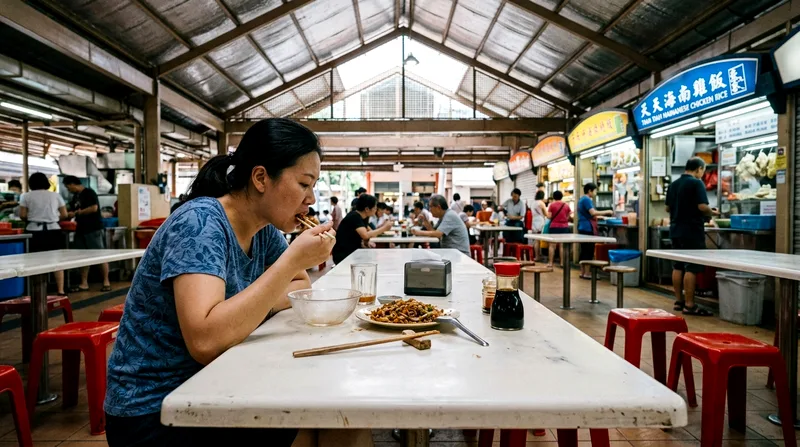
A Singapore night food tour works best for people who want to eat widely but don't want to guess which stall at Maxwell Food Centre is actually worth the queue. The city's hawker culture is dense and a little intimidating on a first visit — dozens of stalls, cash-only counters, no menus in English at some of them, and a real risk of filling up on the wrong dish before you reach the good one. A guide solves that problem directly: they order in the local dialect, know which stall's char kway teow sells out by 9pm, and keep you moving at a pace that covers more ground than you'd manage alone.
That said, these tours aren't for everyone. If you already know Singapore's food scene, or you'd rather eat on your own schedule and skip a dish you don't like, a guided tour can feel restrictive — you're often locked into a set route and a fixed number of stops. I'd also steer travelers with serious food allergies away from set-menu tours unless the operator confirms substitutions in advance; shellfish turns up in sauces and broths more often than people expect.
Solo travellers and couples
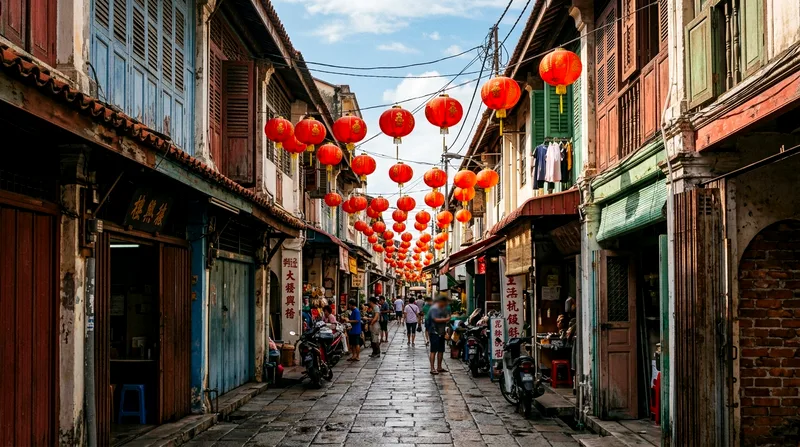
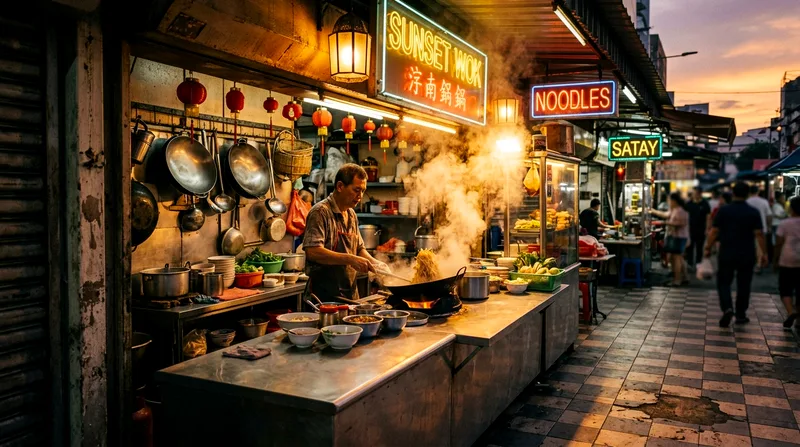
Solo travelers get the most practical value here. Eating alone at a hawker centre is completely normal in Singapore — locals do it daily — but ordering six different dishes by yourself to sample widely isn't realistic, and nobody wants to eat a whole plate of chilli crab solo. A group night tour solves the portion problem: you share tastes across a table of strangers, split the bill structure that's usually built into the tour price, and get built-in company for an evening in an unfamiliar city. Couples get a similar benefit, minus the portion issue, but gain the romantic angle of exploring Chinatown Complex or Geylang Serai Market after dark, when the lantern-lit alleys and night market stalls feel different from the daytime crush.
Food enthusiasts and cultural explorers
If your travel motivation is genuinely culinary — you track Michelin Bib Gourmand lists, you've done street food tours in Bangkok or Penang before — a specialist Singapore tour will reward you with context a solo visit won't. A good guide explains why Hainanese chicken rice looks different at a Chinatown stall versus one in Tiong Bahru Market, or how Peranakan cooking folds Malay and Chinese techniques together. That narrative layer is the real product you're paying for, not just the food itself, which you could technically order yourself for less.
Main night food tour types compared
Night food tours in Singapore split into a few recognizable formats, and picking the wrong one is the single biggest regret I hear about. Some run two hours and cover one hawker centre in depth; others run four-plus hours and hit three or four locations, which sounds generous but usually means smaller tastes and more walking than eating. Know the shape of the tour before you book, not just the destination list.
Hawker-centre tours give breadth, speciality tours give depth, and private tours give flexibility — pick based on which trade-off matters most to you.
Singapore night food tour types compared by duration, focus, and best fit
| Tour type | Typical duration | Focus | Group size | Best for |
|---|---|---|---|---|
| Guided hawker centre tour | 2-3 hours | Broad sampling, 4-6 stalls | 6-12 people | First-timers, solo travelers |
| Satay and seafood speciality tour | 2-3 hours | Fewer dishes, larger portions | 6-10 people | Couples, seafood lovers |
| Private group tour | 3-4 hours | Customizable route and pace | 2-6 people | Families, special occasions |
| Multi-stop evening crawl | 4+ hours | Several hawker centres, smaller tastes | 8-15 people | Travelers prioritizing variety over depth |
Durations and group sizes are typical ranges; confirm specifics and current pricing with the operator before booking.
Guided hawker centre tours
This is the most common format: a guide walks you through one major hawker centre — Maxwell Food Centre, Chinatown Complex, or Lau Pa Sat are the usual anchors — ordering small portions from four to six stalls. Expect roughly two to three hours, often starting around early evening (6–7pm) when stalls are busy but not at their latest-night chaos. These suit first-timers who want breadth: chicken rice, laksa, char kway teow, maybe a dessert like chendol. The downside is crowding — Maxwell and Chinatown Complex are popular enough that a tour group of eight can feel like it's queue-jumping, which creates friction with other diners. If you want a quieter version of this format, ask whether the operator uses Tiong Bahru Market instead; it's less touristed and the morning-market energy carries into early evening.
Satay and seafood speciality tours
These tours narrow the focus to one or two dish categories rather than a broad sampler, and they're usually built around Satay by the Bay or East Coast Lagoon Food Village, both of which specialize in grilled meats, seafood, and open-air supper dining near the water. Expect a shorter window of eating but larger, more satisfying portions — a full plate of chilli crab or sambal stingray rather than a two-bite taste. These suit couples and food enthusiasts who want fewer, better dishes over quantity. The catch: seafood-heavy tours are priced higher than standard hawker tours because crab and prawn cost more than noodles, and shellfish allergies make this category a non-starter for some travelers. Always confirm the exact dishes included before paying a deposit.
Private versus group experiences
Group tours — typically six to twelve people — are cheaper per head and have a fixed, less flexible itinerary. Private tours cost more but let you skip a dish you don't want, add a stop at Geylang Serai Market for Malay snacks, or finish at a supper spot after midnight if you're chasing the late-night crowd. For solo travelers, I'd lean group every time: the shared-plate structure only works with other people at the table, and it's cheaper. For couples celebrating something, or families with picky eaters, a private tour earns its premium.
What to look for when booking
Before you book, read past the star rating and check what the tour actually promises in writing. "Food tasting" can mean six generous plates or six single bites, and the difference matters a lot when you're hungry and it's 9pm.
Inclusions and meal coverage
Check whether the listed price covers all food and drink, or whether you'll need cash on hand for extras — many hawker stalls in Singapore are still cash-preferred even though PayNow and card readers have spread. Confirm whether dietary substitutions are possible; halal and vegetarian options exist at most hawker centres but a set tour menu may not flag them by default. Ask if water or soft drinks are included — a three-hour tour through humid evening air without a drink stop is an easy thing to overlook until you're thirsty and mid-queue.
Group size and pace
A group of six moves through a hawker centre very differently from a group of fourteen. Larger groups mean longer waits at each stall and less one-on-one time with the guide — fine if you just want to eat, less fine if you came for the storytelling. Ask directly how many people are typically on the tour date you're considering, not just the stated maximum. Pace matters too: a tour that promises four locations in three hours is moving fast, which usually means smaller tastes and more time walking between MRT stations than eating.
When and how to book your tour
Timing your booking well saves money and stress. Singapore's tourist season peaks around December to January and during school holiday periods in June, when hawker centres get busier and tour slots fill faster. Outside those windows, you can often book a few days ahead rather than weeks.
Best seasons and booking windows
Singapore's weather is consistently warm and humid year-round, so season doesn't change the food tour experience much — but tourist volume does. December through Chinese New Year (late January or February, depending on the lunar calendar) sees the highest demand, and popular small-group or private tours can sell out a week or more ahead. Shoulder months like April, May, September, and October are quieter, and booking two to three days ahead is usually enough. The Singapore Tourism Board's event calendar is worth a glance before you book — festivals like the Mid-Autumn Festival bring extra stalls and lantern displays to Chinatown that make an evening tour noticeably more atmospheric.
Cancellation and flexibility policies
Policies vary a lot between operators, so read the fine print rather than assuming. Many group food tours allow free cancellation up to 24 or 48 hours before the start time, with no refund for later changes — reasonable, given the guide has already arranged stall visits and sometimes pre-ordered. Private tours often require more notice, sometimes 72 hours, because rescheduling means re-coordinating with multiple stall vendors. Weather is rarely a valid cancellation reason on its own, since most hawker centres are covered or semi-covered, but heavy tropical downpours can still disrupt outdoor stops like East Coast Lagoon Food Village. Always compare current cancellation terms and reviews before you book — policies differ enough between listings that it's worth the extra two minutes.
Preparing for your night food experience
Skip lunch, or at least eat light. That's the single most useful piece of advice for any night food tour — guides typically plan for four to eight tasting stops, and arriving full defeats the purpose. Wear something breathable; hawker centres are mostly open-air or fan-cooled rather than air-conditioned, and Singapore's evening humidity doesn't drop much even after sunset.
Bring small cash denominations. Despite Singapore's reputation as a cashless-forward city, plenty of hawker stalls at Maxwell Food Centre or Chinatown Complex still run cash-only, and guides can't always break large notes for the group. Comfortable shoes matter more than you'd think — a three-hour tour on foot, often across uneven five-foot-ways and between MRT exits, adds up.
One honest caution: don't expect white-tablecloth service or seating comfort. Hawker centre tables are shared, sometimes sticky, and often full — you may stand while eating or squeeze onto a bench with strangers. If that bothers you, this isn't the right format; consider a restaurant-based food tour instead, which exists in Singapore but trades atmosphere for comfort. Compare current night food tours and prices before you book, and read the two or three most recent reviews rather than the overall star average — recent feedback tells you more about current guide quality and stall rotation than a rating built up over years.
Frequently asked questions
What is included in a Singapore night food tour?
Most include guided tastings at four to eight stalls or stops, with the guide handling ordering and payment for included dishes. Drinks, extra portions, and transport between locations are sometimes excluded — check the listing closely, since "food tour" doesn't guarantee a full meal's worth of food at every stop.
Are night food tours suitable for solo travellers?
Yes, and arguably they suit solo travelers best. Group tours let you taste a wide variety of dishes through shared plates, which is hard to replicate eating alone, and you get built-in company for an evening without any extra planning.
How far in advance should I book a night food tour?
Two to three days ahead is usually enough outside peak season. During December-January and around Chinese New Year, book five to seven days ahead, especially for private or small-group formats, which have fewer available slots than large group tours.
What is the typical group size for night food tours?
Standard group hawker tours run roughly six to twelve people. Private tours usually cap at two to six. Multi-stop evening crawls sometimes run larger, up to fifteen, which trades personal attention for a lower per-person cost.
Can I cancel or reschedule a night food tour?
Most group tours allow free cancellation 24–48 hours before start time. Private tours often require 72 hours' notice due to vendor coordination. Always check the specific operator's policy at booking — it's rarely identical across listings.