Compare guided hawker centre food tours across Chinatown, Maxwell & Old Airport Road. Book tastings, prices & inclusions for your Singapore food tour.
Who Hawker Centre Tours Suit Best
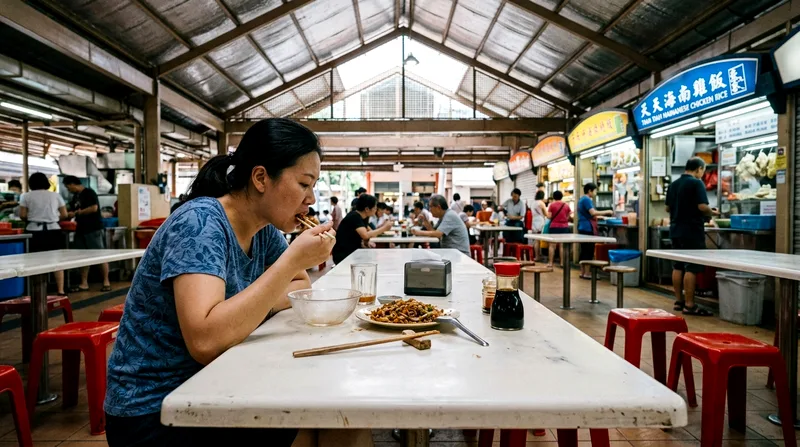
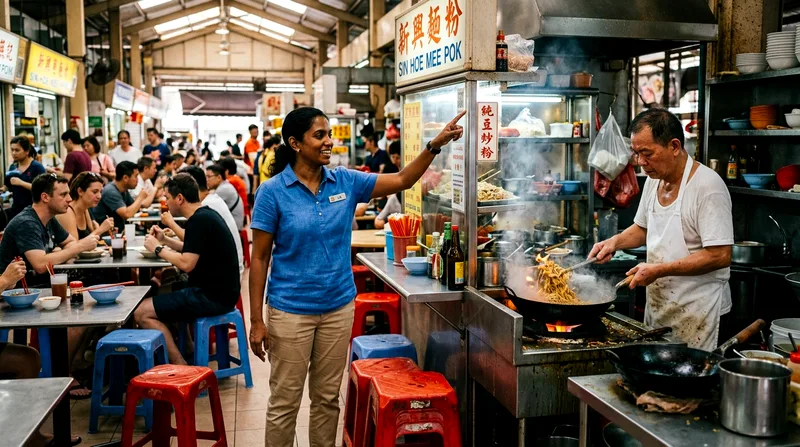
A Singapore hawker centre food tour works best for people who feel paralyzed by choice. Walk into Chinatown Complex Food Centre on a Saturday and you're facing over 200 stalls, most with handwritten Chinese signage and no English menu translation. A good guide cuts through that in under two hours, ordering dishes you'd never pick on your own and explaining why the queue at one stall stretches 40 people deep while the stall next to it sits empty.
That said, a guided tour isn't the only way to eat well at a hawker centre, and it's not always the cheapest. You can absolutely show up solo, point at what looks good, and ask the auntie behind the counter what she recommends — most are happy to help, especially outside peak lunch hours. The tour's value is time saved and context gained, not cost saved. Expect to pay more per dish than you would ordering yourself, because you're paying for curation and translation, not just food.
First-Time Visitors to Singapore
If this is your first trip to Singapore, a hawker tour solves the biggest problem: not knowing what you don't know. You won't realize that Hainanese chicken rice tastes completely different from stall to stall, or that the best laksa stall might have a 20-minute wait while a nearly identical-looking one next door is empty for a reason. A guide who's eaten through Maxwell Food Centre or Old Airport Road Food Centre repeatedly will steer you to the stalls locals actually queue for, not just the ones with the longest tourist line. Book this for your first full day in Singapore, ideally before you've already filled up on hotel breakfast or Marina Bay Sands brunch.
Food Enthusiasts Seeking Local Expertise
For readers who already know their chilli crab from their bak kut teh, a standard tour might feel too introductory. Look instead for tours that go deeper — ones covering hawker centre history (many stalls trace back to street hawkers relocated into centres during Singapore's 1970s resettlement push), or ones that visit less touristed spots like Tiong Bahru Market rather than the Chinatown Complex every tour group hits. Ask upfront how many stalls the guide actually works with regularly; a guide with five years at Tanjong Pagar hawker stalls will know far more than one reading from a script.
Top Hawker Centres for Guided Tours
Not all hawker centres make sense for a guided tour. The best ones for tours combine stall variety, manageable crowds, and a layout a guide can navigate efficiently in 90 minutes to two hours.
Chinatown Complex offers the most variety, Maxwell is the easiest to navigate, and Old Airport Road rewards travelers willing to go off the main tourist path.
Singapore hawker centre food tours compared by venue, duration, and best fit
| Hawker Centre | Typical Tour Duration | Stall Count | Best For | Crowd Level |
|---|---|---|---|---|
| Chinatown Complex | 1.5–2 hours | 200+ | First-timers wanting variety | High, especially weekends |
| Maxwell Food Centre | 60–90 min | approx. 100 | Families, easy walking tours | Moderate to high at lunch |
| Old Airport Road Food Centre | 1.5–2 hours | approx. 100 | Food enthusiasts, local depth | Moderate, less touristy |
| Lau Pa Sat | 60–90 min | approx. 80 | Evening satay-focused tours | High in evenings |
| Tiong Bahru Market | 60–90 min | approx. 80 | Local, lesser-known stalls | Low to moderate |
Stall counts and crowd levels are approximate and vary by day and season, so check current conditions before you book.
Chinatown Complex & Surrounding Stalls
Chinatown Complex Food Centre is Singapore's largest hawker centre by stall count, and it's the default stop for most Chinatown hawker tour itineraries. The upside is sheer variety — you can genuinely sample Cantonese roast meats, Teochew muay porridge, and Hokkien mee within a five-minute walk. The downside: it's sprawling, poorly ventilated on hot afternoons, and can feel overwhelming without a guide pointing you toward the two or three stalls actually worth queuing for, like the one that held a Michelin Bib Gourmand listing for soya sauce chicken rice. Tours here often pair the food centre with a short walk through surrounding Chinatown streets, which adds context but also adds time — expect closer to two hours than 90 minutes.
Maxwell Food Centre
Maxwell Food Centre is smaller and easier to navigate than Chinatown Complex, which makes it a better fit for families with young children or anyone with mobility concerns. A Maxwell food centre tour typically covers five to seven stalls in under 90 minutes — tight enough to stay interesting, loose enough to actually taste what you're given rather than rushing. It's also centrally located near Tanjong Pagar, so it pairs easily with a half-day itinerary that includes a walk through the Thian Hock Keng temple nearby. The trade-off is less variety than Chinatown Complex; Maxwell has roughly 100 stalls versus Chinatown's 200-plus, so you'll see fewer regional cuisines represented.
Old Airport Road Food Centre
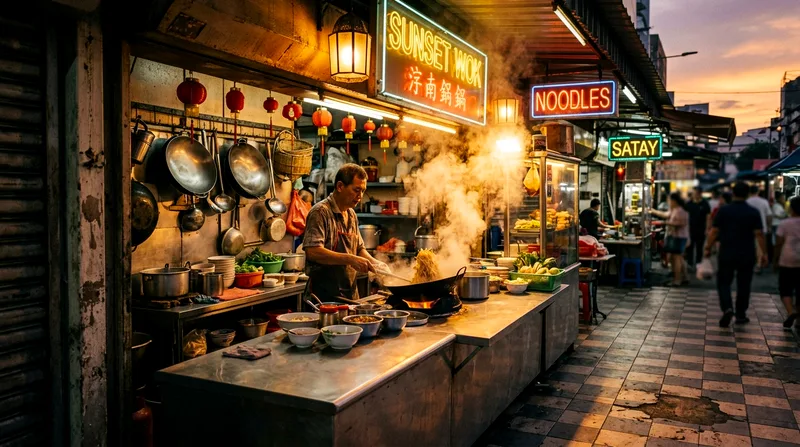
Old Airport Road Food Centre sits further from the main tourist corridor, in a residential part of Singapore — and that's exactly its appeal. An Old Airport Road hawker tour tends to attract food enthusiasts rather than first-timers, because the stalls here are known for depth over breadth: a handful of multi-generational operations doing one dish exceptionally well, like the lor mee or oyster omelette stalls locals travel across the island for. Fewer tour operators run here regularly, so availability can be thinner, and it's a longer taxi or MRT ride from the city center hotels — budget 25 to 35 minutes from Orchard Road. If you want an authentic, less staged experience and don't mind the travel time, this is worth prioritizing over Chinatown.
Tour Categories: Group vs Private & Duration
Once you've picked a hawker centre — or a tour that covers two or three — the next decision is format. This matters more than most people expect, because it changes both the price and the pace of the experience.
Group Tours vs Private Experiences
Group tours, typically six to twelve people, cost less per head and run on fixed schedules, usually once or twice daily. They suit solo travelers and couples who don't mind sharing tasting portions and moving at a set pace. The catch: with a larger group, you often get smaller individual tastings since the guide is dividing dishes among more people, and dietary substitutions are harder to accommodate on the fly.
Private tours cost more — often two to three times the per-person rate of a group tour — but you set the pace, skip stalls you're not interested in, and the guide can adjust for allergies or preferences in real time. For families with picky eaters or travelers with specific dietary needs, private is usually worth the premium. For a solo traveler on a budget, it rarely is.
Half-Day and Full-Day Options
Most hawker food tours run two to three hours, which is enough time for six to ten tastings at one or two centres. Full-day versions exist but are less common — they usually combine a hawker centre with a wet market visit or a cooking class, stretching to five or six hours with a midday break. For most travelers, the half-day format is the better value: by hour three, most people are full regardless of how good the food is, and a cooking class bolted on afterward competes for stomach space rather than adding to the experience.
What to Look for When Booking
Before you commit to any hawker food tour booking, read the listing carefully — the differences between a well-run tour and a disappointing one are usually spelled out, if you know what to check.
Tasting Inclusions and Portion Sizes
Check exactly how many tastings are included and whether portions are "full dish" or "sampling size." A tour listing six tastings sounds generous until you realize each is a few spoonfuls meant to introduce flavor, not fill you up. Good listings specify this clearly — "six tasting-size portions" versus "full-size dishes at three stalls." If the listing is vague, message the operator before booking. Also check whether drinks are included; Singapore's heat makes a fresh sugarcane juice or kopi stop matter more than it sounds.
Group Size and Cancellation Policies
Look at maximum group size — anything over 15 people makes it hard to hear the guide over hawker centre noise and slows down ordering at busy stalls. Also check the cancellation window; Singapore's weather is unpredictable, and many tours operate rain or shine since hawker centres are mostly covered. A flexible reschedule policy (24 to 48 hours notice, typically) matters more here than in destinations with purely outdoor itineraries. Always compare current hawker tour prices and reviews on the booking platform before confirming, since availability and group sizes shift seasonally.
When to Book Your Hawker Tour
Hawker centres get genuinely crowded during lunch (roughly noon to 1:30pm) and dinner (6:30 to 8pm) on weekdays, and nearly all day on weekends. A tour that runs at 10:30am or 3pm avoids the worst of it — you'll get seats faster and the guide won't be competing with lunch-rush queues at popular stalls. The Singapore Tourism Board has pushed hawker culture heavily since UNESCO added it to the Intangible Cultural Heritage list in 2020, which has increased foot traffic at famous spots like Maxwell and Lau Pa Sat; book at least a few days ahead during school holiday periods or around Chinese New Year, when some stalls close entirely for days.
Compared to a Bangkok street food tour, where vendors operate from open-air carts with more flexible hours, Singapore's hawker centres run on more fixed stall hours — some open only for breakfast, others only after 5pm. That rigidity is actually useful for planning: your guide will know which stalls are open when, saving you the disappointment of arriving at a shuttered counter. It's a tighter, more structured experience than wandering Kuala Lumpur's Jalan Alor at night, but less flexible if you want to linger.
Frequently asked questions
What is included in a typical hawker centre food tour?
Most include a guide, six to ten tasting-size portions across multiple stalls, and often a soft drink or local beverage like kopi or sugarcane juice. Transport between hawker centres and admission fees aren't usually a factor since hawker centres are free to enter — you're paying for curation, translation, and the food itself.
How much does a guided hawker tour cost?
Group tours generally fall in a mid-range bracket per person for a two to three hour tasting tour, while private tours run two to three times higher per head. Exact prices vary by operator, group size, and number of stalls covered, so check current listings and reviews on your booking platform before confirming.
Can I book a private hawker food tour?
Yes, private tours are widely available, particularly for Chinatown Complex and Maxwell Food Centre. They cost more per person but let you set the pace, skip stalls, and adjust for dietary needs — worth it for families or anyone with specific allergies.
What is the best time to visit hawker centres?
Mid-morning (around 10:30am) or mid-afternoon (around 3pm) avoid the worst lunch and dinner crowds. Weekday tours are noticeably quieter than weekend ones, and some stalls close on rotating rest days, so a guide's local knowledge helps you avoid a shuttered counter.
Do hawker tours accommodate dietary restrictions?
Vegetarian and halal options exist at most hawker centres, and many tours can adjust for these with advance notice. Severe allergies are trickier — hawker stalls often share woks, fryers, and prep space, so cross-contamination risk is real. Tell the operator before booking, not on the day.