A practical singapore solo traveller itinerary covering 4 days — neighbourhoods, transport, safety tips, and group tours worth booking ahead.
Who This Itinerary Is For
This singapore solo traveller itinerary assumes you're arriving with no companions, a moderate budget (roughly SGD 120–180 a day including a mid-range hotel), and four full days on the ground. It's built for people who want the city's efficiency and safety to do the heavy lifting, while still leaving room for spontaneous detours — a solo trip Singapore plan works best when it's loose enough to abandon by 2pm if you're tired.
It suits first-timers to Asia who want a gentle landing before harder destinations like Jakarta or Ho Chi Minh City. It also suits seasoned solo travellers using Singapore as a stopover hub via Changi Airport, since the city rewards short, dense visits better than slow meandering.
It's less suited to travellers chasing cheap nightlife or backpacker party scenes — for that, Bangkok or Bali's Canggu area do it better and cheaper. Singapore's solo scene is more "quiet hostel common room and ticketed group tour" than "bar crawl with strangers." If that disappoints you, adjust expectations now rather than on day one.
Day 3 scores highest for meeting people and slow solo wandering, while Day 2 demands the most walking and planning.
Singapore solo traveller itinerary: daily highlights, duration, and solo-friendliness compared
| Day | Main Focus | Approx. Duration | Solo-Friendliness | Best For |
|---|---|---|---|---|
| Day 1 | Colonial core, Chinatown, Marina Bay | 8–9 hours | High | First orientation, low effort |
| Day 2 | Botanic Gardens, Sentosa Island | 9–10 hours | Medium | Nature lovers, families nearby |
| Day 3 | Kampong Glam, Pulau Ubin, East Coast Park | 9–10 hours | Very High | Meeting people, slow travel |
| Day 4 | Tiong Bahru, Gardens by the Bay, Changi | Flexible, 4–8 hours | High | Departure day, flexible timing |
Durations are approximate and assume walking plus public transport; adjust for heat, rest stops, or flight timing.
Day 1: Colonial Core and Chinatown
Day one is about orientation — walkable, low-decision-fatigue, and forgiving if your flight lands you exhausted.
Morning and afternoon
Start at the National Museum of Singapore (opens 10am, entry around SGD 15 for adults), which gives useful context before you wander the colonial district — the Padang, Raffles Hotel exterior, and the Fullerton. Budget 90 minutes inside; the museum's history galleries are genuinely well done and not padded filler like some civic museums elsewhere in the region.
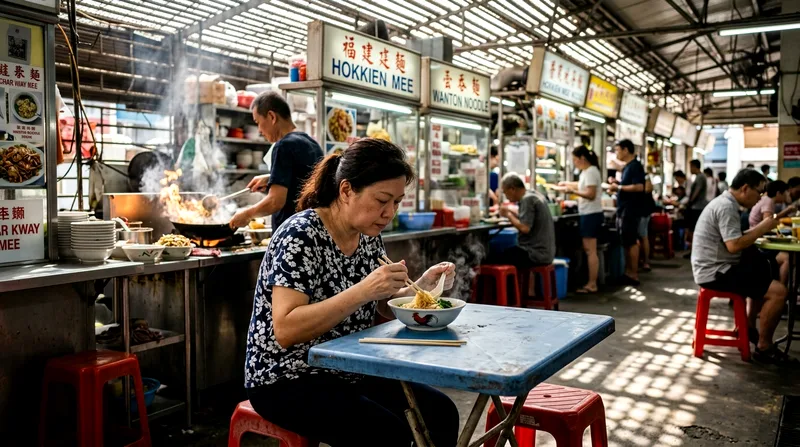
Walk south into Chinatown by early afternoon. Stop at the Chinatown Heritage Centre (entry around SGD 15–18) for a compact, 45-minute walkthrough of shophouse life in the 1950s — it's small, which is actually a plus for solo travellers short on stamina. Lunch at Maxwell Food Centre nearby; a plate of Hainanese chicken rice runs SGD 5–6. Avoid eating at the tourist-facing restaurants fronting Smith Street — they're double the price for food that's worse than the hawker stalls 50 metres away.
Evening
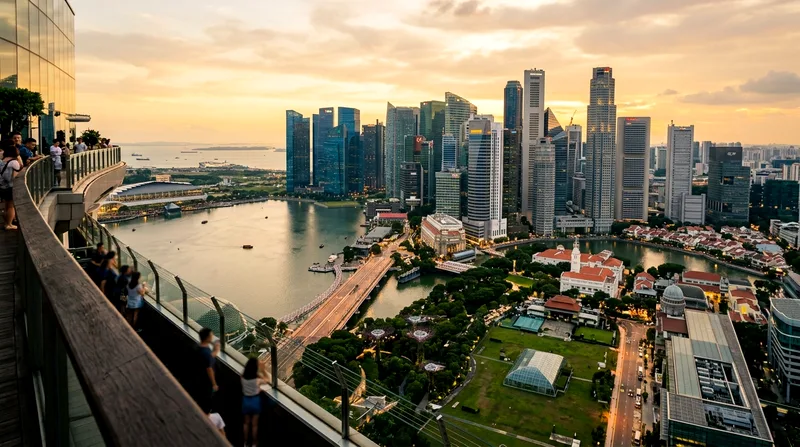
Head to Marina Bay around 6:30pm to catch the Gardens by the Bay light show (free, runs twice nightly, roughly 7:45pm and 8:45pm) and see Marina Bay Sands lit up across the water. This is the one evening worth booking something ahead: a sunset or twilight boat tour along Marina Bay is widely available and gives you a seated, low-effort way to see the skyline without the standing crowds at the waterfront promenade — check current prices and availability before you book, as these fill up on weekends.
Day 2: Nature, Culture, and Sentosa
Day two trades dense urban walking for green space and one half-day of theme-park energy, which solo travellers often need as a palate cleanser.
Morning and afternoon
Spend the morning at Singapore Botanic Gardens (free entry, UNESCO World Heritage Site), ideally before 9am to beat both heat and tour groups. The National Orchid Garden inside charges a separate small fee (around SGD 15) and is worth it if you like photography — it's one of the few spots where solo travellers comfortably linger without feeling conspicuous, since locals jog and picnic there too.
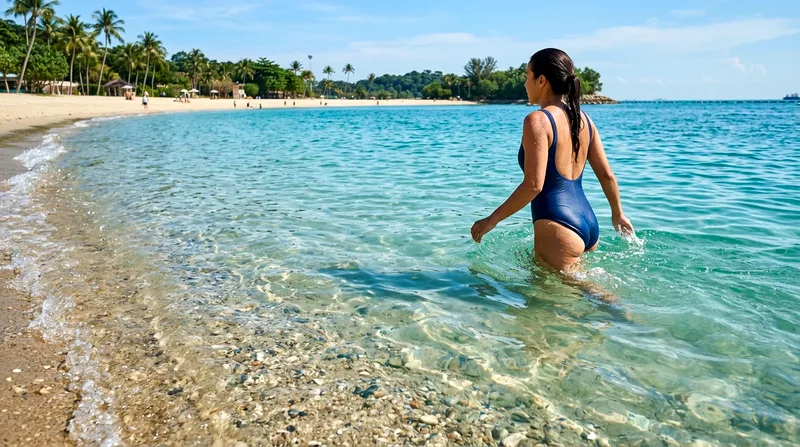
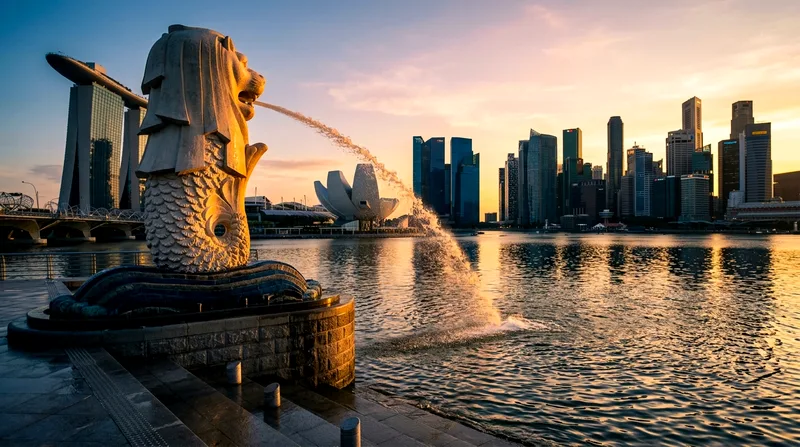
By early afternoon, take the MRT and cable car or Sentosa Express over to Sentosa Island. It's genuinely polarising — some solo travellers love the beach clubs and attractions, others find it overpriced and family-oriented. If you're not keen on theme parks, skip Universal Studios (day pass around SGD 80) and instead walk Siloso Beach or the Merlion viewpoint, both free.
Evening
Eat dinner on Sentosa or head back to the mainland for Clarke Quay, which has a livelier, more social atmosphere for solo diners at communal-style restaurants. If Sentosa's crowds exhaust you, the fallback is simple: retreat to your hotel area and find a neighbourhood hawker centre instead — Singapore has dozens, and you lose nothing by skipping a packed tourist strip on a tired evening.
Day 3: Neighbourhoods and Local Experiences
This is the day built for meeting people and seeing residential Singapore rather than postcard sights — arguably the most rewarding day of this solo travel Singapore plan.
Morning and afternoon
Explore Kampong Glam in the morning — the Arab Street shophouses, Sultan Mosque (free to view exterior, modest dress required), and the textile and perfume shops along Haji Lane. This neighbourhood is compact, photogenic without being staged, and good for slow solo wandering with coffee stops; try one of the independent cafés on Haji Lane rather than chain coffee.
In the afternoon, take the ferry to Pulau Ubin (around SGD 3 one-way from Changi Point Ferry Terminal, departs when the boat fills with 12 passengers, no fixed schedule). It's rustic, rural Singapore — kampong houses, bike rentals for around SGD 10–15 a day, and none of the polish of the main island. It's one of the best free-feeling, low-cost half-days available, though mosquitoes and heat make it rough in the middle of the day — go before 11am or after 3pm.
Evening
Head to East Coast Park for the evening — rent a bike (around SGD 10/hour) and ride along the waterfront as the sun sets, then eat seafood at one of the East Coast Lagoon Food Village stalls. This is also a solid evening to join a food-tour-style group walk, since East Coast and the nearby Katong/Joo Chiat area have a strong Peranakan food scene that's easier to navigate with a guide than alone on a first visit.
Day 4: Markets, Gardens, and Departure
Day four is flexible by design, since departure times vary — structure it around your flight, not the other way round.
Morning and afternoon
If your flight is afternoon or evening, spend the morning at Tiong Bahru market for breakfast (the pork belly bao and kaya toast stalls open around 6am, busiest by 8am) and browse the surrounding art-deco neighbourhood — it's one of the most solo-friendly areas for slow café time, with a strong independent bookshop and bakery scene. Alternatively, do a final loop of Gardens by the Bay in daylight to see the Cloud Forest and Flower Dome (combined ticket around SGD 32), which you likely skipped on day one for the free night show.
Changi Airport itself deserves time, not just transit — Jewel Changi's Rain Vortex and the indoor forest are worth arriving 2–3 hours early for if you haven't seen them, turning a layover into an attraction rather than dead time.
Evening
If your flight is late, have a final dinner at a hawker centre near the airport — Changi Village Hawker Centre is a 15-minute taxi ride and far less touristy than anything inside the terminals, with better prices too. Don't do last-minute souvenir shopping at the airport if you can avoid it; prices run 20–30% higher than Chinatown or Bugis Street markets you've already passed through.
Getting Around Solo in Singapore
Public transport is the single biggest reason Singapore works so well for solo travel Singapore plans — the MRT network is clean, air-conditioned, well-signed in English, and runs roughly 5:30am to midnight. Buy an EZ-Link card or use contactless bank card tap-in (both work directly on MRT and buses); there's no need for a tourist transport pass unless you're staying over a week, since fares are already cheap — typically SGD 1–2.50 per MRT ride.
Taxis and Grab (the regional ride-hailing app) are reliable and reasonably priced compared to Hong Kong or Bangkok's metered taxis — expect SGD 10–20 for most cross-town trips. Solo female travellers in particular report feeling comfortable taking taxis late at night here, which isn't universally true across the region.
Walking is viable in the compact central areas (Chinatown, Kampong Glam, Marina Bay) but less so in spread-out Sentosa or East Coast, where you'll want the Sentosa Express monorail or a bike rental. One genuine gripe: Singapore's humidity makes any walk over 30 minutes outdoors uncomfortable by midday, so front-load outdoor activities to early morning or late afternoon.
Where to Base Yourself
Chinatown and Bugis are the two strongest base options for solo travellers. Chinatown has the widest range of solo-friendly accommodation types — pod hostels (around SGD 35–50/night), boutique capsule hotels, and mid-range options near the MRT interchange — plus easy night access to food. Bugis is slightly quieter, closer to Kampong Glam, and has a younger backpacker energy with several well-reviewed hostels offering common areas built for mingling.
Avoid basing yourself near Sentosa or Changi unless you have a specific reason — both are convenient for a single day but isolate you from the hawker centre density and nightlife that make solo evenings easier. Orchard Road is comfortable but pricier and less characterful; you're paying a premium to be near shopping malls you can reach by MRT from anywhere else in 15 minutes anyway.
Compared to Kuala Lumpur or Penang, where budget guesthouses run noticeably cheaper, Singapore accommodation costs more across the board — budget SGD 40 minimum even for a hostel bed, versus half that in KL. That's the trade-off for the safety and infrastructure.
Optional Group Tours Worth Joining
Solo travel in Singapore is safe enough that you don't need group tours for security — but you'll want them for company and for sights that are genuinely better guided. A twilight river cruise or Marina Bay boat tour is worth booking ahead for day one, since it's seated, social, and timed around the nightly light show. A guided food walk through Chinatown, Tiong Bahru, or Katong is worth it on day three — these typically run 3 hours, cap groups at 10–15 people, and are one of the few reliable ways solo travellers actually exchange contact details with others on the trip.
A day tour to Pulau Ubin or a cycling group tour around East Coast Park is a solid alternative if you'd rather not navigate ferry queues alone. Skip large bus-based "Singapore in a day" city tours, though — they move too fast for a city this walkable and dilute the solo-friendly, flexible pacing that makes this itinerary work in the first place. Compare current prices and group sizes before booking any of these, since availability shifts by season and day of week.
Frequently asked questions
Is Singapore safe for solo travellers?
Yes — Singapore consistently ranks among the safest cities in Asia for solo travellers, including solo women walking alone at night. Violent crime is rare, police presence is visible, and public transport runs late with good lighting. The main real risks are petty ones: pickpocketing in dense tourist crowds and scams targeting tourists near Orchard Road, not personal safety.
How do solo travellers get around Singapore?
The MRT and bus network, paid via EZ-Link card or contactless bank card, covers nearly everywhere you'll want to go for SGD 1–2.50 a ride. Grab (ride-hailing) fills gaps for late-night trips or Sentosa transfers, typically SGD 10–20 per ride. You won't need to rent a car or join tour buses purely for transport.
What are the best group tours for meeting people?
Small-group food walks (Chinatown, Tiong Bahru, or Katong, usually 3 hours, 10–15 people) and evening boat or river cruises around Marina Bay tend to attract other solo travellers and naturally encourage conversation. Larger bus tours move too fast for real interaction — prioritise anything capped at a small group size.
Where should a solo traveller stay in Singapore?
Chinatown and Bugis are the strongest bases — walkable, near MRT interchanges, with hostel options from around SGD 35–50/night and easy access to hawker food at night. Avoid basing yourself out near Sentosa or Changi unless your schedule specifically demands it.
Can you do Singapore solo in 4 days?
Yes, four days comfortably covers the core sights — Marina Bay, Gardens by the Bay, Chinatown, Sentosa, and at least one neighbourhood day trip like Pulau Ubin or Kampong Glam — without feeling rushed. Stretching to 5–6 days only helps if you want slower mornings or a full day trip to Pulau Ubin without squeezing it into an afternoon.