Plan 5 days in Singapore with this relaxed itinerary covering Marina Bay, Sentosa, a day trip, food tours, and family-friendly activities.
Who This Itinerary Is For
This 5 days in Singapore itinerary is built for people who want to see the big sights without racing between them. It suits families juggling nap schedules and short attention spans, senior travellers who'd rather sit through a long lunch than sprint through five museums, and couples who want one or two "proper" bookable experiences rather than a checklist of twelve.
If you're the type who measures a good trip by how many attractions you ticked off, you might find this pace slow. There's deliberately only one major activity per morning and one per afternoon, with buffer time built in. That's a trade-off: you'll see less than someone doing a frantic 3-day sprint, but you'll actually remember what you saw.
Singapore rewards this slower approach better than most Southeast Asian cities. Compare it to Bangkok, where the sheer scale of temples and markets almost demands a faster clip, or Ho Chi Minh City, where traffic alone eats your schedule. Singapore's compactness and efficient MRT mean a relaxed itinerary here still covers serious ground — you're never more than 45 minutes by train from anywhere on the main island.
Day 1: Marina Bay and Colonial Core
Day one eases you in with Singapore's most photographed district, which also happens to be flat, shaded in parts, and stroller-friendly.
Morning and afternoon
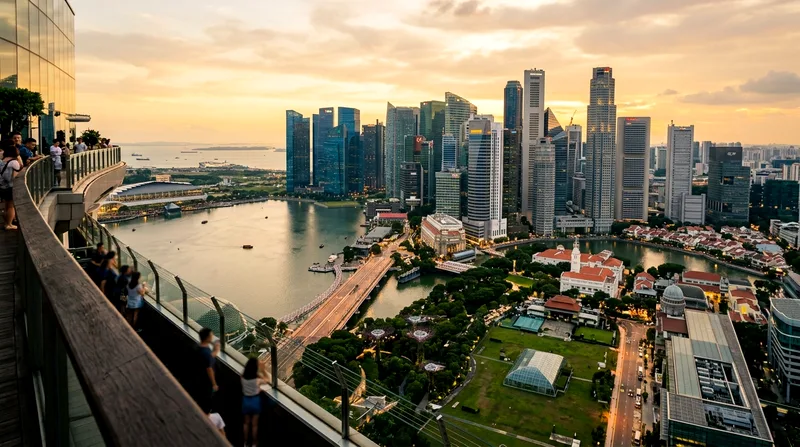
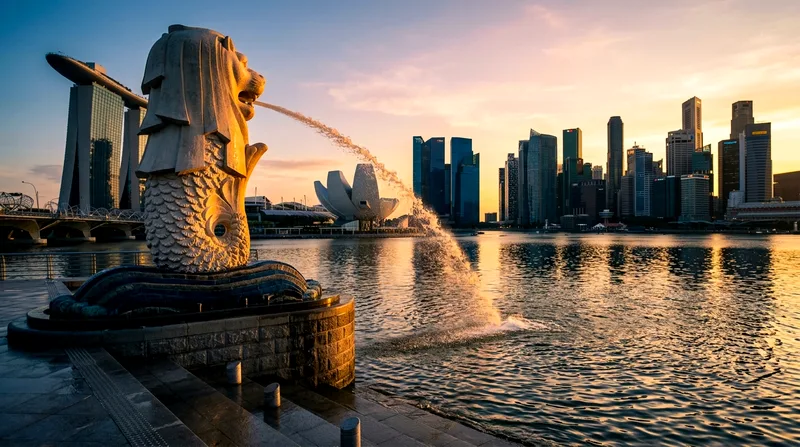
Start around 9am at the Merlion Park, then walk the waterfront promenade toward Marina Bay Sands — it's about a 15-minute walk, flat the whole way. Head into the Shoppes for air-conditioned relief if it's already hot by 10am, which in Singapore it usually is. From there, cross into the Civic District to see the Old Parliament House, Victoria Theatre, and the National Museum of Singapore, which takes a solid two hours if you actually read the exhibits on colonial and wartime history. Lunch around 1pm at one of the nearby food courts in Raffles City — not glamorous, but reliable and cheap, roughly SGD 8-15 a plate.
Evening
Gardens by the Bay is the obvious evening anchor — the Supertree Grove light show runs nightly, free to view from the ground, usually around 7:45pm and 8:45pm. This is the one experience worth booking ahead: a timed-entry ticket to the Cloud Forest or Flower Dome, or a combo pass that bundles both with Supertree Observatory access. Book at least a day ahead in peak season (June-August, December) since queues at the walk-up counter can run 30-40 minutes. If it rains, the domes themselves are the fallback — fully indoor, air-conditioned, and arguably better in a downpour than the open-air grove.
Day 2: Gardens, Museums and Neighbourhoods
Day two trades the glass-and-steel of Marina Bay for green space and neighbourhood texture.
Morning and afternoon
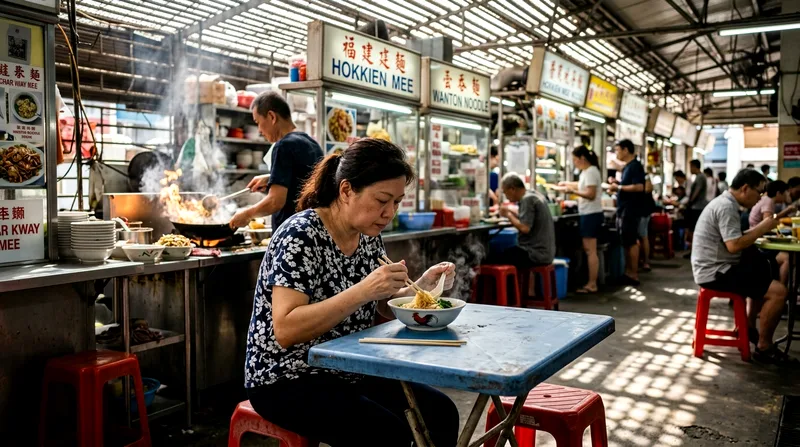
Spend the morning at the Singapore Botanic Gardens — it's free to enter, opens at 5am, and the National Orchid Garden inside charges a small separate fee (around SGD 15 for adults). Go early, by 8:30am, before the heat sets in; shade is patchy in the open lawns. This is a good one for seniors since paths are paved and benches are frequent. By midday, take the MRT down to Chinatown for lunch — the Chinatown Complex Food Centre on the upper floor has dozens of hawker stalls and genuinely cheap food, SGD 4-8 a dish.
Evening
Spend the afternoon wandering Chinatown's shophouse streets, then take a short MRT or taxi ride to Little India and Kampong Glam before dinner. Each has a different character — Little India smells of jasmine garlands and curry leaves, Kampong Glam has the Sultan Mosque and a cluster of independent boutiques around Haji Lane. If legs are tired, skip one and linger longer in the other; trying to "do" all three neighbourhoods properly in one evening is the most common mistake on this itinerary. A guided walking tour of one district, booked in advance, is worth it here — a good local guide explains the shophouse architecture and trade history in ways a self-guided wander misses entirely.
Day 3: Sentosa Island Beach and Attractions
Sentosa Island deserves its own full day — trying to combine it with anything else usually means rushing the beach or the attractions, and both lose.
Morning and afternoon
Get to Sentosa via the cable car from HarbourFront (scenic but pricier, around SGD 35 round trip) or the Sentosa Express monorail (SGD 4, faster and more practical for families with kids or luggage). Morning is best spent at Siloso, Palawan, or Tanjong Beach — Palawan is the calmest and most family-friendly, with shallow water and a short suspension bridge to a small islet. By midday, head to whichever major attraction you've chosen: S.E.A. Aquarium or Universal Studios Singapore are the two heavy-hitters, and trying to do both in one day is unrealistic — pick one.
Evening
Wings of Time or a similar beachfront light-and-sound show runs most evenings and is worth booking ahead, particularly in school holiday periods when seats fill up. It's an easy, low-effort way to end a day that's involved a lot of walking in heat — seated, outdoors, roughly 20 minutes long. If weather turns, Sentosa's indoor options (the aquarium, Trick Eye Museum, or the shopping at VivoCity on the way back) cover you. Avoid trying to squeeze in a sunset dinner cruise the same evening — it's one experience too many for a day that's already physically demanding, especially for seniors or younger kids.
Day 4: Day Trip to Malacca or Bintan
This is the day that separates a 5-day Singapore itinerary from a shorter one — you finally have room for a trip outside the city.
Bintan suits travellers wanting beach relaxation, while Malacca suits those wanting heritage sightseeing, despite the longer travel time.
Singapore day trip options compared: Malacca vs Bintan for a 5-day itinerary
| Destination | Travel time (one-way) | Best for | Passport needed | Typical pace |
|---|---|---|---|---|
| Malacca | approx. 4 hours by coach | Heritage, old town, food | Yes | Busy, long day |
| Bintan | approx. 1 hour by ferry | Beach, resort relaxation | Yes | Slow, restful |
| Pulau Ubin | approx. 15 min by bumboat | Nature, cycling, quiet | No | Easy, half-day |
| Stay in Singapore | None | Rest day, river cruise | No | Flexible |
Typical figures; ferry and coach schedules vary by operator and season, so check current timings before you book.
Full day itinerary
Malacca, Malaysia, is roughly a 4-hour coach ride each way, which makes it a long but doable day trip — you'll want to leave by 7am and expect to return around 9-10pm. It's worth it for the UNESCO-listed old town, Jonker Street, and Peranakan heritage, but it's genuinely tiring and not ideal for anyone with limited mobility or small children who hate long bus rides. Bintan, Indonesia, is the better choice if you want relaxation over sightseeing — a ferry from Tanah Merah Ferry Terminal takes about 1 hour, and most people use the day for a resort day-pass with a beach and pool rather than touring. Compare that to a day trip from Bangkok to Ayutthaya or from Bali toward Nusa Penida — Singapore's options are shorter in distance but involve a border crossing, so bring your passport regardless of destination and check visa requirements before booking. If a day trip sounds like too much after three busy days, the honest alternative is simply a slow day back in the city — the Singapore River, a river cruise, or Pulau Ubin by bumboat for a quieter, closer nature escape.
Day 5: Food Tour and Local Markets
Save the food-focused day for last — by now you'll have a sense of what you like, and hawker centres reward that familiarity.
Morning and afternoon
Start at the Tiong Bahru Market, an older, less touristy hawker centre with a wet market downstairs — good for seeing how locals actually shop, and quieter before 10am. A guided food tour booked in advance is genuinely worth it on this day specifically, since a good guide takes you to stalls you'd otherwise walk past and explains dishes like chwee kueh or bak chor mee that aren't self-explanatory from a menu board. Expect a tour of this kind to run 3-4 hours and cover 5-8 tasting stops. If you'd rather go solo, Maxwell Food Centre near Chinatown is more central and still reliable.
Evening
End at Lau Pa Sat in the Financial District — by evening the surrounding Boon Tat Street closes to traffic and fills with satay stalls grilling right on the road, which is as close to a classic Singapore food scene as you'll get. It's touristy, yes, but the food quality holds up. For a final night alternative that isn't food-focused, a night walk through the Gardens by the Bay domes or a last look at Marina Bay from the Helix Bridge rounds things off without demanding much energy.
Getting Around Singapore
The MRT is the backbone of this itinerary and it's genuinely excellent — clean, frequent (trains every 3-5 minutes off-peak), air-conditioned, and cheap, with most single trips costing between SGD 1-3. Buy an EZ-Link card on arrival at any station or use contactless bank card tap-in, which now works across the whole network and avoids the hassle of topping up. Compare this to Jakarta or Ho Chi Minh City, where public transport either doesn't cover tourist areas well or involves serious traffic — Singapore's system is a genuine advantage for families and seniors who don't want to deal with taxi haggling.
Taxis and Grab (the regional ride-hailing app) are worth using for Sentosa trips with beach gear, late nights, or when anyone in your group is tired of walking. Fares are metered and reasonable — a cross-city ride rarely exceeds SGD 20-25. Walking is pleasant in the Civic District and Botanic Gardens but genuinely uncomfortable at midday in the Chinatown or Little India grid, where shade is scarce; plan outdoor walking for morning or after 4pm. One thing to avoid: renting a car. Singapore's ERP road-pricing system, limited parking, and excellent transit make self-driving pointless for visitors.
Where to Base Yourself
Marina Bay and the Civic District put you closest to Gardens by the Bay and the museums, but hotels there run expensive — expect SGD 300+ a night at the well-known properties. Chinatown and Tanjong Pagar offer a better value-to-location ratio, with plenty of mid-range hotels (SGD 120-200) and direct MRT access to almost everywhere on this itinerary. Orchard Road suits fashion-focused travellers and shoppers, with the added benefit of being central, though it lacks the neighbourhood character of Chinatown or Kampong Glam.
Families with young kids might prefer basing near HarbourFront, cutting the Sentosa commute to under 10 minutes. Seniors should prioritize proximity to an MRT station over neighbourhood charm — lugging suitcases more than a 10-minute walk in Singapore's heat is unpleasant. Avoid basing yourself near Changi unless your flight times genuinely demand it; it's well-connected but isolates you from everything covered in this itinerary.
Optional Bookable Experiences
Beyond the one bookable experience suggested per day, a few others are worth considering if your pace allows a sixth or seventh highlight. A night safari or river safari at the Mandai Wildlife Reserve is a strong half-day add-on, particularly for families, though it sits outside the central area and needs its own transport plan. A sunset or dinner cruise along the Singapore River or Marina Bay is a relaxed option for couples who've already covered the main sights on foot.
A Singapore Flyer ride gives a different skyline perspective than the Marina Bay rooftop bars, and tends to have shorter queues than people expect, especially on weekday mornings. Whatever you add, check current prices and time slots before booking — availability shifts with school holidays and weather, and queue times at Gardens by the Bay or Universal Studios can swing an hour or more between a quiet Tuesday and a Saturday.
Frequently asked questions
Is 5 days enough time to see Singapore?
Yes, five days is a comfortable amount of time to cover Marina Bay, Sentosa, the main cultural neighbourhoods, a museum or two, and one day trip without rushing. Three days forces hard choices; five lets you add rest blocks and still see everything on this itinerary. You won't exhaust every museum or every hawker centre, but you'll get a genuine feel for the city rather than a blur of landmarks.
What is the best time to visit Singapore?
Singapore sits near the equator, so temperature barely shifts year-round — expect 26-32°C (79-90°F) with high humidity every month. The main variable is rain: November through January brings the heaviest monsoon showers, while February to April tends to be drier. Afternoon thunderstorms are common year-round regardless of season, so build indoor backup options into every day rather than picking a "dry month" and assuming you're safe.
Do I need a car to get around Singapore?
No — and you shouldn't rent one. The MRT network covers nearly every attraction in this itinerary, supplemented by Grab or taxis for Sentosa trips or late nights. Parking is limited and expensive, and the ERP electronic road pricing system adds complexity for visitors unfamiliar with it. Public transport here is faster and cheaper than driving in almost every case.
What should I pack for a Singapore trip?
Pack light, breathable clothing, a compact umbrella or light rain jacket for sudden downpours, and a light sweater or cardigan — indoor air conditioning on the MRT, in malls, and in museums runs noticeably cold. Comfortable walking shoes matter more than anything else since most days involve several kilometres on foot. Sunscreen and a reusable water bottle are worth packing too; tap water is safe to drink.
How much does a 5-day Singapore trip cost?
A mid-range budget runs roughly SGD 150-250 per person per day including a mid-range hotel, hawker-centre meals, MRT fares, and one or two paid attractions daily — so expect SGD 750-1,250 per person for five days excluding flights. Budget travellers staying in hostels and eating exclusively at hawker centres can get this closer to SGD 80-120 a day. Attraction tickets like Gardens by the Bay domes, Universal Studios, or a day trip to Bintan add noticeably to the total, so check current prices for the specific attractions you plan to book.