Compare Singapore walking tours by theme, duration and price. Heritage, street art, Chinatown and Kampong Glam routes, plus booking tips.
Who walking tours suit best
Singapore rewards walking in a way few Southeast Asian cities do — pavements are consistently maintained, crossings are clearly marked, and almost every heritage district sits within a 10-minute walk of an MRT station. That infrastructure is why guided walking tours work so well here, compared to somewhere like Bangkok or Ho Chi Minh City, where heat, traffic, and uneven footpaths make a three-hour walk genuinely taxing rather than pleasant.
That said, walking tours aren't for everyone. If you're traveling with toddlers or anyone who tires after 20 minutes on their feet, a hop-on-hop-off bus or private car itinerary will serve you better. Singapore's humidity sits around 80% year-round, and afternoon walks in direct sun between 12pm and 3pm can be uncomfortable even for fit adults. I'd avoid booking anything longer than 90 minutes in that window — look for morning (9am–11am) or late-afternoon (4pm–6pm) slots instead.
Solo travellers and small groups
Solo travelers get the best value from small-group walking tours, typically capped at 8–15 people, because you can ask the guide questions without holding up a coach party. Many Chinatown and Kampong Glam walking tours run on a join-in basis, meaning you don't need a travel companion to book — unlike many private car tours, which charge per vehicle regardless of group size. For solo female travelers specifically, daytime walking tours in Little India or the Colonial District are low-risk compared to night walks, which are fine but worth checking group size for beforehand.
Heritage and culture enthusiasts
If you want context beyond what a plaque tells you, book with guides trained or certified through bodies connected to the Singapore Heritage Board or National Heritage Board frameworks — tours that reference conservation guidelines set by the Urban Redevelopment Authority tend to go deeper into why a shophouse facade looks the way it does, not just that it's "pretty." These tours run longer, often 2–3 hours, and suit travelers who'd rather understand one district thoroughly than skim five. Compare this to a Hong Kong heritage walk through Sham Shui Po — similar pacing, similar depth, but Singapore's tours lean more heavily on urban planning history because so much of the city was deliberately redeveloped.
Main walking tour categories
Singapore walking tours fall into three broad buckets: heritage/historical walks, street art and food-focused tours, and neighbourhood-deep-dives that mix architecture, food, and local life without a single hard theme. None is objectively "best" — it depends on whether you want facts, flavors, or atmosphere.
Heritage walks run longest and slowest, while street art and neighbourhood tours move faster but cover less formal history.
Singapore walking tours compared by theme, duration and fitness demand
| Tour theme | Typical duration | Fitness level | Best for | Group size |
|---|---|---|---|---|
| Heritage/Colonial District | 2–2.5 hours | Easy, flat | History-focused travelers, seniors | 10–20 |
| Chinatown heritage | 2–3 hours | Easy, some stairs in temples | First-timers, families with older kids | 8–15 |
| Kampong Glam street art/food | 1.5–2 hours | Easy-moderate | Food lovers, fashionistas | 8–12 |
| Little India cultural walk | 2 hours | Easy, crowded lanes | Culture enthusiasts, photographers | 8–15 |
| Tiong Bahru neighbourhood | 2 hours | Easy-moderate | Couples, design-focused travelers | 6–12 |
| Joo Chiat/Peranakan trail | 2–2.5 hours | Moderate, longer stretches | Heritage enthusiasts, couples | 6–12 |
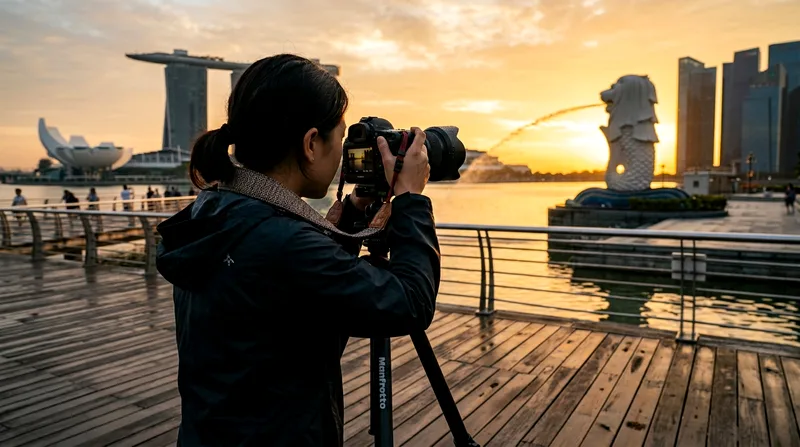
| Marina Bay/Civic District | 1.5–2 hours | Easy, open and exposed | Evening walkers, photographers | 10–20 |
Durations and group sizes are typical ranges; always confirm current details and reviews before booking.
Heritage and historical walks
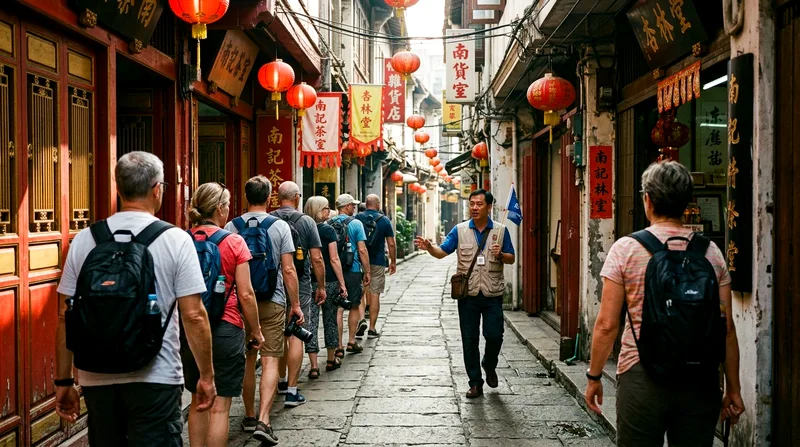
These are the most widely available Singapore heritage trails, usually covering the Colonial District (Fort Canning, City Hall, the Padang) or Chinatown's clan associations and temples. Expect 2–2.5 hours, flat terrain, and a guide who talks for a good 60–70% of the walk. They suit senior travelers and history-minded visitors well, but can feel slow-paced if you've already read up on Raffles' landing or the Battle of Singapore. The trade-off: you get genuine depth, but less flexibility to linger somewhere that catches your eye, since group tours run on a set route and timing.
Street art and street food tours
Street art tours in Singapore typically run through Kampong Glam, Tiong Bahru, or the Everton/Keong Saik pocket of Chinatown, lasting 90 minutes to 2 hours and moving at a brisker pace since there's less standing-and-listening. Food walking tours, often layered into a Chinatown or Little India route, run longer — 2.5 to 3 hours is typical — because you're stopping to eat at 4–6 points along the way. These suit food lovers and fashionistas drawn to Singapore's mural scene, but watch out for tours advertised as "street art" that are really just photo-stop walks with minimal commentary on the artists or the Urban Redevelopment Authority's public art initiatives behind them. Ask what's included before booking.
Neighbourhood-focused tours
This category covers dedicated walks through Tiong Bahru's art deco flats, Joo Chiat's Peranakan shophouses, or Marina Bay's modern skyline contrasted against the old river. They're usually 2 hours, lighter on formal history, heavier on "this is how locals actually live here" commentary. Couples and fashionistas tend to like these best — Tiong Bahru in particular draws a design-conscious crowd browsing independent bookshops and bakeries along the route. The downside is consistency: because these tours are less standardized than Chinatown or Colonial District walks, guide quality varies more, so checking recent reviews matters more here than for established heritage routes.
What to look for when booking
Not all walking tours labeled "heritage" or "cultural" deliver the same experience, and the difference usually comes down to guide quality and what's actually included — not the headline theme.
Group size and guide expertise
Smaller groups — under 12 people — almost always mean better access to the guide and less standing around waiting for stragglers to cross a road. Look for guides who mention specific training or licensing; Singapore requires tourist guides to be registered, and reputable operators usually state this somewhere in the listing. I'd be cautious of free "tip-based" walking tours advertised heavily online: they're not inherently bad, but guide quality swings widely since pay depends entirely on tips, and groups can swell past 25 people in peak season without warning.
Inclusions, cancellation and weather policies
Food tours should specify exactly how many tastings are included — "food tastings included" without a number is a red flag, since it could mean one small sample or a full meal's worth. Check the cancellation policy too: most reputable Singapore tour operators offer free cancellation up to 24 hours before start time, which matters given how quickly tropical downpours can roll in. Singapore gets rain on roughly half the days in November and December, so a tour with no rain-check or reschedule option is a genuine risk in those months. Compare this to Bali or Phuket, where tour operators often build rain delays into the schedule as standard — Singapore operators vary more on this, so read the fine print.
When to book your walking tour
Book popular Chinatown and Kampong Glam walking tours at least 3–5 days ahead during peak travel months (December–January, June–July), when school holidays from both Singapore and neighboring Malaysia and Indonesia push demand up. Smaller neighbourhood tours in Tiong Bahru or Joo Chiat can often be booked 24–48 hours out, since they're less commonly the "top result" tourists find first.
Time of day matters as much as advance booking. Morning tours (starting 9–10am) avoid the worst heat and the lunch-hour crowds in Chinatown's wet market. Late-afternoon tours ending around sunset work well for Marina Bay or Colonial District routes, where the skyline lighting is part of the appeal. Avoid booking a walking tour immediately after a long-haul flight — Singapore's heat and humidity hit harder than most people expect, and a jet-lagged body on a 2.5-hour walk is a bad combination. Give yourself at least one full day to adjust first.
Frequently asked questions
What is the typical duration of a Singapore walking tour?
Most guided walking tours in Singapore run 1.5 to 3 hours. Street art and single-district tours tend toward the shorter end (90 minutes to 2 hours), while heritage and food-focused tours covering more ground or including tastings typically run 2.5 to 3 hours.
How much do guided walking tours in Singapore cost?
Group walking tours generally fall in a moderate price bracket compared to private tours, with food-inclusive tours costing more due to tasting costs built into the price. Private or small-group customized tours cost noticeably more per person than join-in group tours. Always check current prices and recent reviews on the booking platform rather than relying on older listed figures.
Which walking tour is best for first-time visitors?
A Chinatown heritage walk or a Colonial District tour works best for first-timers, since both cover foundational history — colonial-era buildings, early immigrant settlement, key religious sites — in a single, well-structured 2–2.5 hour route. Save the niche neighbourhood tours (Tiong Bahru, Joo Chiat) for a second visit once you have context.
Do I need to book walking tours in advance?
For popular routes through Chinatown or Kampong Glam, book 3–5 days ahead during peak season (December–January, June–July). Less mainstream neighbourhood tours can often be booked a day or two out. Weekday morning slots are generally easier to secure last-minute than weekend afternoons.
What should I wear for a walking tour in Singapore?
Lightweight, breathable clothing and closed walking shoes are the practical choice — flip-flops are fine for a 20-minute stroll but uncomfortable over 2+ hours on uneven temple floors or market lanes. Carry a small umbrella or rain shell regardless of season; sudden downpours happen even in the "dry" months of February and March.