Compare a Batam vs Bintan day trip from Singapore: ferry times, costs, beaches, nightlife and crowds — pick the right Riau Islands getaway.
Batam vs Bintan Day Trip from Singapore
Both Batam and Bintan sit roughly an hour's ferry ride from Singapore, yet they deliver almost opposite trips. Batam is dense, urban, and built for people who want cheap massages, karaoke, golf, and Indonesian food without spending much time or money getting there. Bintan is quieter and greener, with a resort strip at Lagoi Bay that looks more like Phuket or Bali than anything near Singapore's shoreline. Picking between a Batam vs Bintan day trip comes down to one honest question: do you want convenience and value, or do you want sand between your toes? I'll say upfront — Bintan's best features are wasted on a single day, while Batam is almost designed for one.
Quick Comparison: Batam vs Bintan at a Glance
Before booking anything, it helps to see the two islands side by side rather than reading two separate reviews and trying to reconcile them in your head. Batam wins on speed and price. Bintan wins on scenery and relaxation. Neither is "better" in absolute terms — they serve different trip types, the way Penang and Phuket both call themselves beach destinations but attract different travelers for different reasons.
If your Singapore itinerary already includes Sentosa or a Gardens by the Bay day, adding Batam is an easy half-day extension since the ferry ride is short. Bintan requires more planning: you're committing a fuller day, and arguably a night, to make the travel time worthwhile.
Batam is the faster, cheaper option for a single day out, while Bintan rewards travelers who can spend at least one night.
Batam vs Bintan day trip comparison: travel time, cost, and best use
| Island | Ferry time from Singapore | Typical day-trip cost (per person) | Best for | Beach quality |
|---|---|---|---|---|
| Batam | 40-55 min | Budget (low) | Spas, shopping, karaoke, golf | Limited, murky |
| Bintan | 55-75 min to Bintan Resorts Ferry Terminal | Moderate to high | Beach resorts, water sports | White sand, clear water |
Figures are typical ranges; actual ferry schedules, fares, and crossing times vary by operator and sea conditions, so check current schedules before booking.
Travel Time and Ferry Routes
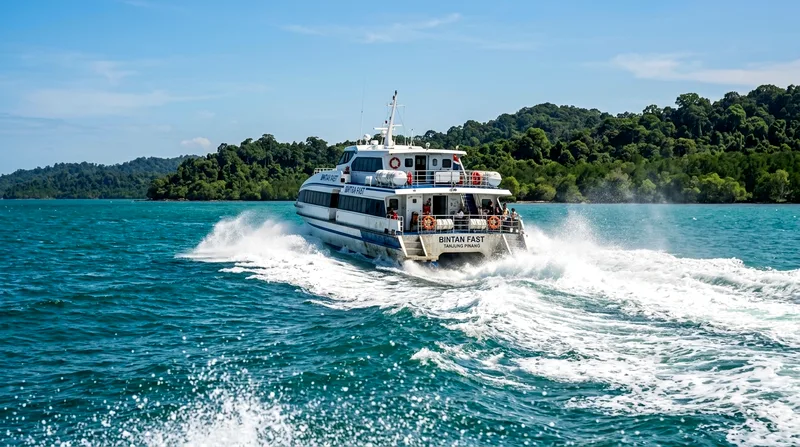
Both islands are reached exclusively by ferry — there's no bridge, no flight shortcut from Singapore itself. That single fact shapes the whole comparison, because ferry departure points, terminal fees, and immigration queues matter as much as the open-water crossing time.
Getting to Batam from Singapore
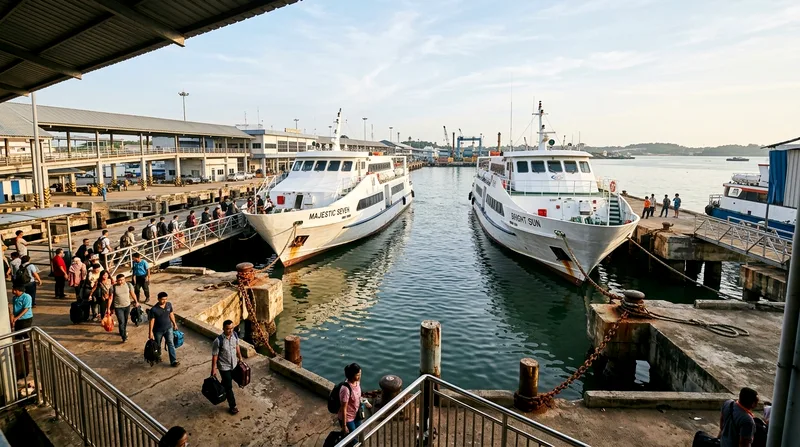
Ferries to Batam depart mainly from the Harbourfront area (via HarbourFront Centre) and sometimes Tanah Merah Ferry Terminal, landing at Batam Centre, Sekupang, or Nongsapura depending on the operator and your onward plans. The crossing itself takes roughly 40 to 55 minutes. Add 30-45 minutes on each side for check-in, immigration, and terminal transfers, and a realistic door-to-door time from a central Singapore hotel is around 2 to 2.5 hours round trip including waiting. Multiple operators run sailings through the day, often every hour or two, which makes Batam forgiving if you miss a departure — you're rarely waiting much more than an hour for the next one.
Getting to Bintan from Singapore
Bintan-bound ferries typically leave from Tanah Merah Ferry Terminal — not Changi Ferry Terminal, which is a common mix-up since both sit near Changi. The crossing to Bintan Resorts Ferry Terminal near Lagoi runs about 55 to 75 minutes, slightly longer and sometimes choppier than the Batam route since it's a more open stretch of the Singapore Strait. Sailings are less frequent than Batam's, often just a handful per day, so you need to book your return leg in advance rather than winging it. Miss your ferry here and you could be stuck for hours, which is the main reason I'd avoid a same-day Bintan trip unless your schedule has real buffer.
Activities and Island Vibe
This is the real fork in the road. Batam feels like a dense Indonesian city with a port economy — think Johor Bahru's energy more than a resort town. Bintan, once you clear Tanjung Pinang, turns into a genuine beach destination comparable in ambition, if not yet in scale, to Bali's Nusa Dua strip.
Batam: nightlife and shopping
Nagoya is Batam's commercial hub — malls, karaoke lounges, spas, and a nightlife scene that leans toward Singaporean and Malaysian weekend visitors seeking cheaper entertainment than at home. Massage and spa packages are the main draw, often priced at a fraction of Singapore rates, and golf courses here attract a dedicated crowd of regional players. It's not elegant and it's not meant to be — Batam is functional, slightly rough around the edges, and genuinely useful for a quick change of scenery. I wouldn't send a couple here expecting romance; it suits solo travelers, golf groups, or friends after a loud, cheap night out.
Bintan: beaches and resorts
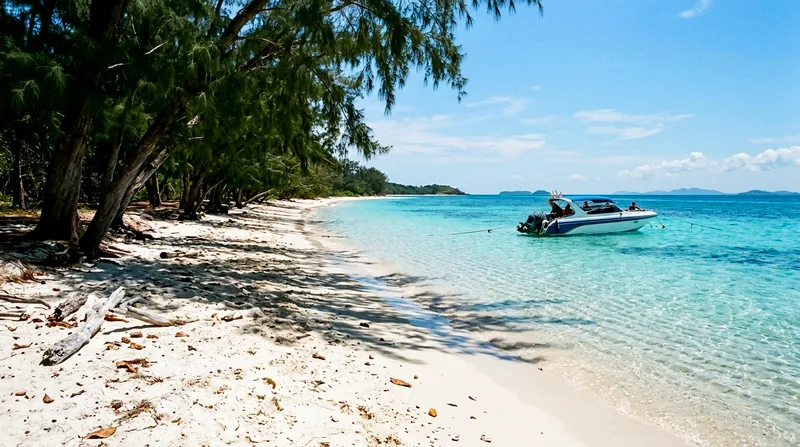
Lagoi Bay is where Bintan earns its reputation — white sand, calm water good for swimming, and a run of resorts offering kayaking, snorkeling, and beach clubs. It's built for couples, families with children, and anyone wanting a few hours of doing nothing by the water. The trade-off is isolation: outside the resort enclave, infrastructure thins out fast, and Tanjung Pinang itself is a working Indonesian town, not a tourist draw. Compared with Phuket or Bali, Bintan's beach scene is smaller and quieter — fewer bars, less nightlife, more hammock time. That's either a selling point or a dealbreaker depending on what you want.
Crowds and Best Times to Visit
Both islands see heavy weekend traffic from Singapore, which affects ferry availability, queue times, and pricing more than it affects the actual experience on the ground.
Peak seasons and visitor patterns
Weekends and Singapore public holidays push both islands close to capacity — ferry seats sell out faster, immigration queues lengthen at Batam Centre and Bintan Resorts Ferry Terminal, and resort rates in Lagoi climb. School holiday periods in Singapore and Indonesia add families to the mix, especially at Bintan's family-oriented resorts. If you're set on a weekend trip, book ferry tickets several days ahead rather than assuming you can walk up, particularly for Bintan where sailings are fewer.
Quieter periods for each island
Weekday trips are noticeably calmer on both islands — shorter immigration lines, more room on the ferry, and better service at Batam's spas and Bintan's beach clubs since staff aren't stretched. Monday to Thursday generally sees the thinnest crowds. Rainy season (roughly November to February) brings choppier crossings and occasional ferry delays, which matters more for Bintan's open-water route than Batam's shorter hop — worth checking marine forecasts if you're booking during these months.
Who Should Choose Which Island?
Solo travelers and groups wanting a cheap, fast change of scenery — a spa afternoon, some shopping, decent food — should pick Batam. It's low-commitment: if the day doesn't go well, you've lost a few hours and not much money. Couples and families chasing an actual beach holiday should book Bintan, but plan for one night minimum at a Lagoi Bay resort rather than squeezing it into a single day; the ferry time alone makes a true day trip feel rushed and faintly pointless.
Senior travelers generally do better on Bintan — fewer crowds outside the resort zone, calmer pace, less walking through dense city streets than Nagoya demands. Fashionistas and nightlife-focused visitors will find more going on in Batam, though neither island competes with Bangkok or Hong Kong for after-dark variety. Food lovers get good value on both: Batam's street-level Indonesian and Chinese food is excellent and cheap, while Bintan's resort dining is reliable but pricier and less adventurous. For a quick comparison against other regional options, Batam sits closer in spirit to a budget Ho Chi Minh City weekend, while Bintan's resort belt is the nearest thing to a mini-Bali within day-trip range of Singapore.
Frequently asked questions
Is Batam or Bintan closer to Singapore?
Batam is closer. The ferry crossing runs about 40 to 55 minutes compared with roughly 55 to 75 minutes to Bintan. Including terminal check-in and immigration on both ends, a Batam round trip typically totals around 2 to 2.5 hours of transit, while Bintan adds another 30-45 minutes on top of that.
Which island is cheaper for a day trip?
Batam is cheaper across the board — ferry fares, food, spa treatments, and hotels all run lower than Bintan's. Bintan can be done on a moderate budget if you skip the Lagoi Bay resorts and stick to Tanjung Pinang, but most visitors go to Bintan specifically for the resort experience, which pushes costs up.
Can you do a day trip to Batam or Bintan?
Yes to Batam — its short crossing and frequent ferries make a single-day round trip practical and common. Bintan technically allows a day trip too, but between the longer crossing, fewer daily sailings, and the resort zone's distance from the ferry terminal, you'll spend much of the day in transit. Most travelers get more value from at least one overnight stay on Bintan.
What's the difference between Batam and Bintan beaches?
Batam's beaches near the main ferry and city areas are limited and generally not a highlight — the water isn't particularly clear and the shoreline is undeveloped for tourism. Bintan's Lagoi Bay beaches are the main draw: white sand, calmer and clearer water, and a run of resorts built specifically around beach access and water sports.
Which island has better nightlife and shopping?
Batam, clearly. Nagoya has malls, karaoke venues, and a livelier after-dark scene aimed at weekend visitors from Singapore and Malaysia. Bintan's nightlife is largely confined to resort bars in Lagoi Bay — pleasant but quiet, with nothing resembling a city nightlife district.